As a seasoned supplier of dry pumps, I understand the pivotal role these machines play in various industrial processes. Optimizing the operation of a dry pump is not only crucial for enhancing efficiency but also for reducing operational costs and extending the lifespan of the equipment. In this blog, I'll share some practical tips and strategies based on my years of experience in the field.
Understanding the Basics of Dry Pumps
Before delving into optimization strategies, it's essential to have a solid understanding of how dry pumps work. Dry pumps are designed to create a vacuum without the use of any lubricating fluids in the pumping chamber. This makes them ideal for applications where contamination from oil or other fluids is a concern, such as in semiconductor manufacturing, pharmaceutical production, and food processing.
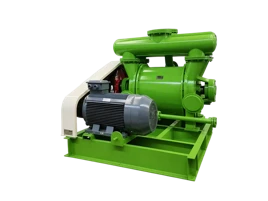
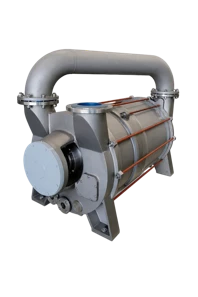
There are several types of dry pumps available on the market, each with its own unique features and advantages. For example, the NZJQ Multistage Gas circulation-cooled Roots Pump is a high-performance pump that utilizes a multistage design to achieve high pumping speeds and low ultimate pressures. The ZJQ Gas circulation-cooled Roots Pump is another popular option, known for its energy efficiency and reliable operation. And the ZJP Roots Vacuum Pump is widely used in various industrial applications due to its simple structure and easy maintenance.


Selecting the Right Dry Pump for Your Application
One of the first steps in optimizing the operation of a dry pump is to select the right pump for your specific application. This involves considering several factors, such as the required pumping speed, ultimate pressure, gas composition, and temperature.
- Pumping Speed: The pumping speed of a dry pump is measured in liters per second (L/s) or cubic meters per hour (m³/h). It indicates how quickly the pump can remove gas from the system. When selecting a pump, it's important to choose one with a pumping speed that is sufficient for your application.
- Ultimate Pressure: The ultimate pressure of a dry pump is the lowest pressure that the pump can achieve in the system. It is typically measured in pascals (Pa) or millibars (mbar). The required ultimate pressure depends on the specific application. For example, in semiconductor manufacturing, very low ultimate pressures are often required to ensure the quality of the products.
- Gas Composition: The composition of the gas being pumped can also affect the performance of the dry pump. Some gases may be corrosive or reactive, which can damage the pump components. It's important to choose a pump that is compatible with the gas being pumped.
- Temperature: The operating temperature of the dry pump can also have an impact on its performance. Some pumps are designed to operate at high temperatures, while others are more suitable for low-temperature applications. It's important to choose a pump that can operate within the temperature range of your application.
Proper Installation and Commissioning
Once you have selected the right dry pump for your application, the next step is to ensure proper installation and commissioning. This involves following the manufacturer's instructions carefully and performing all the necessary checks and tests.
- Installation Location: The installation location of the dry pump is important for its performance and longevity. The pump should be installed in a clean, dry, and well-ventilated area. It should also be installed on a stable and level surface to prevent vibration and noise.
- Piping and Connections: The piping and connections between the dry pump and the system should be properly sized and installed. The pipes should be short and straight to minimize pressure drop. The connections should be tight and leak-free to prevent gas leakage.
- Electrical Connections: The electrical connections to the dry pump should be made according to the manufacturer's instructions. The pump should be connected to a suitable power supply with the correct voltage and frequency.
- Commissioning: After the installation is complete, the dry pump should be commissioned to ensure that it is operating properly. This involves performing a series of checks and tests, such as checking the pump rotation, measuring the pumping speed and ultimate pressure, and checking for any leaks or abnormal noises.
Regular Maintenance and Inspection
Regular maintenance and inspection are essential for optimizing the operation of a dry pump and extending its lifespan. This involves performing routine tasks such as cleaning, lubrication, and replacement of worn parts.
- Cleaning: The dry pump should be cleaned regularly to remove any dirt, dust, or debris that may accumulate on the pump components. This can be done using a soft brush or compressed air.
- Lubrication: Some dry pumps require lubrication to ensure smooth operation. The lubricant should be changed regularly according to the manufacturer's instructions.
- Replacement of Worn Parts: Over time, the pump components may wear out and need to be replaced. It's important to keep a stock of spare parts and replace them as soon as they show signs of wear.
- Inspection: The dry pump should be inspected regularly to check for any signs of damage or wear. This can be done visually or using specialized inspection tools. Any problems should be addressed immediately to prevent further damage to the pump.
Monitoring and Control
Monitoring and control are important for optimizing the operation of a dry pump and ensuring its safety and reliability. This involves using sensors and control systems to monitor the pump performance and adjust the operating parameters as needed.
- Sensor Installation: Sensors can be installed on the dry pump to monitor various parameters, such as temperature, pressure, and vibration. These sensors can provide real-time data on the pump performance, which can be used to detect any problems or abnormalities.
- Control System: A control system can be used to automate the operation of the dry pump and adjust the operating parameters based on the sensor data. This can help to optimize the pump performance and reduce energy consumption.
- Remote Monitoring: With the development of technology, it is now possible to monitor the dry pump performance remotely using a computer or mobile device. This can be very useful for operators who need to monitor the pump performance from a distance.
Troubleshooting and Problem Solving
Despite proper installation, maintenance, and monitoring, problems may still occur with the dry pump. It's important to be able to troubleshoot and solve these problems quickly to minimize downtime and prevent further damage to the pump.
- Common Problems: Some common problems that may occur with dry pumps include low pumping speed, high ultimate pressure, overheating, vibration, and noise. These problems can be caused by a variety of factors, such as worn parts, clogged filters, or improper installation.
- Troubleshooting Steps: When a problem occurs with the dry pump, the first step is to identify the cause of the problem. This can be done by performing a series of checks and tests, such as checking the pump rotation, measuring the pumping speed and ultimate pressure, and inspecting the pump components. Once the cause of the problem has been identified, the appropriate solution can be implemented.
- Professional Assistance: If you are unable to troubleshoot and solve the problem on your own, it's important to seek professional assistance. The manufacturer's technical support team or a qualified service provider can help you to diagnose and solve the problem quickly.
Conclusion
Optimizing the operation of a dry pump is a complex process that involves selecting the right pump for your application, proper installation and commissioning, regular maintenance and inspection, monitoring and control, and troubleshooting and problem solving. By following these tips and strategies, you can ensure that your dry pump operates efficiently and reliably, and that it provides you with many years of trouble-free service.
If you are interested in learning more about our dry pumps or need assistance with optimizing the operation of your dry pump, please feel free to contact us. We are a leading supplier of dry pumps and have a team of experienced professionals who can provide you with the best solutions for your needs.
References
- [Dry Vacuum Pump Handbook](publisher, year)
- [Industrial Vacuum Technology: A Practical Guide](author, publisher, year)
- [Roots Vacuum Pump Operation and Maintenance Manual](manufacturer, year)