Hey there! As a supplier of heavy duty vacuum pumps, I've seen firsthand how crucial it is to optimize their operation. A well - optimized heavy duty vacuum pump not only boosts efficiency but also cuts down on costs and extends the pump's lifespan. In this blog, I'm gonna share some tips on how you can optimize the operation of your heavy duty vacuum pump.


1. Regular Maintenance
First off, regular maintenance is the name of the game. Just like your car needs regular oil changes and tune - ups, your heavy duty vacuum pump needs consistent care. Check the pump's oil level frequently. Low oil can lead to increased friction, which in turn can cause overheating and damage to the pump's components. Replace the oil at recommended intervals as per the manufacturer's guidelines.
Inspect the filters regularly. Clogged filters can restrict the flow of air or fluid through the pump, reducing its efficiency. A dirty filter forces the pump to work harder, consuming more energy and potentially leading to premature wear. Replace filters when they show signs of excessive dirt or damage.
Also, take a look at the seals and gaskets. Leaky seals can allow air or fluid to escape, affecting the pump's vacuum performance. If you notice any signs of leakage, such as a drop in vacuum pressure or visible fluid around the seals, replace them right away.
2. Proper Installation
Getting the installation right from the start is super important. Make sure the pump is installed on a stable and level surface. A wobbly or uneven surface can cause vibrations, which may damage the pump over time and also reduce its efficiency.
Ensure that the pump is properly connected to the power source. Incorrect electrical connections can lead to power surges or shortages, which can harm the pump's motor. Follow the manufacturer's wiring diagrams carefully during installation.
When it comes to the piping, use the right size and type of pipes. Pipes that are too small can create excessive pressure drops, while pipes that are too large may not provide enough flow velocity. Also, make sure the pipes are properly insulated to prevent heat loss or gain, which can affect the pump's performance.
3. Monitoring and Control
Keep a close eye on the pump's operating parameters. Use sensors and monitoring devices to track things like temperature, pressure, and flow rate. An abnormal rise in temperature can indicate a problem, such as a malfunctioning motor or restricted airflow. Similarly, a sudden drop in pressure may suggest a leak or a blockage in the system.
Implement a control system that can adjust the pump's operation based on the actual demand. For example, if the process requires a lower vacuum level at certain times, the control system can reduce the pump's speed or output, saving energy. Variable frequency drives (VFDs) are a great option for this. They allow you to adjust the motor's speed, which in turn controls the pump's output.
4. Selecting the Right Pump for the Job
Not all heavy duty vacuum pumps are created equal. Different applications require different types of pumps. For instance, if you're dealing with a process that involves handling large volumes of gas or vapor, a liquid ring vacuum pump might be a good choice.
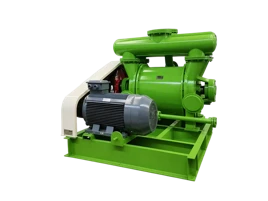
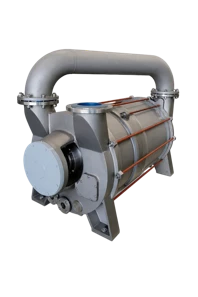
We offer a range of high - quality liquid ring vacuum pumps, such as the 2BE1 Liquid Ring Vacuum Pump, the 2BE3 Large Liquid Ring Vacuum Pump, and the 2BV Liquid Ring Vacuum Pump. These pumps are designed to handle heavy - duty applications with high efficiency and reliability.
Before purchasing a pump, carefully assess your process requirements, including the required vacuum level, flow rate, and the type of gas or vapor being handled. Consider factors like the pump's capacity, power consumption, and maintenance requirements. Choosing the right pump from the start can save you a lot of headaches and money in the long run.
5. Training and Operator Knowledge
Your pump is only as good as the person operating it. Make sure your operators are well - trained on how to use and maintain the pump. Provide them with comprehensive training on the pump's operation, safety procedures, and basic troubleshooting.
An operator who understands the pump's working principles can spot potential problems early on and take appropriate action. They can also operate the pump more efficiently, following best practices to ensure optimal performance. Encourage operators to ask questions and stay updated on the latest pump - related technologies and techniques.
6. Environmental Considerations
The environment in which the pump operates can have a significant impact on its performance. Keep the pump in a clean and dry environment. Dust, dirt, and moisture can damage the pump's components, especially the electrical parts. If the pump is located in a dirty or humid area, consider using enclosures or filters to protect it.
Also, pay attention to the ambient temperature. Extreme temperatures can affect the pump's lubrication and the performance of its seals. In hot environments, the pump may overheat more easily, while in cold environments, the oil may thicken, increasing friction. If necessary, use cooling or heating systems to maintain the pump's operating temperature within the recommended range.
7. Upgrading and Retrofit
As technology advances, there may be opportunities to upgrade your existing pump. Newer models often come with improved features, such as higher efficiency motors, better control systems, and more durable components. Upgrading your pump can result in significant energy savings and improved performance.
Retrofitting your pump with new parts or accessories can also enhance its operation. For example, installing a new type of seal or a more efficient filter can improve the pump's vacuum performance and reduce maintenance requirements. Consult with a pump expert to determine if upgrading or retrofitting is a viable option for your specific pump.
Conclusion
Optimizing the operation of a heavy duty vacuum pump is a multi - faceted process that involves regular maintenance, proper installation, monitoring, and more. By following these tips, you can ensure that your pump operates at its best, providing reliable and efficient performance for years to come.
If you're in the market for a heavy duty vacuum pump or need advice on optimizing your existing pump, we're here to help. Our team of experts can assist you in selecting the right pump for your application and provide you with all the support you need for installation, maintenance, and troubleshooting. Contact us today to start a conversation about your vacuum pump needs and let's work together to find the best solution for you.
References
- "Vacuum Pump Handbook" by Peter A. Roth
- Manufacturer's manuals for heavy duty vacuum pumps