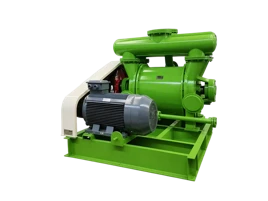
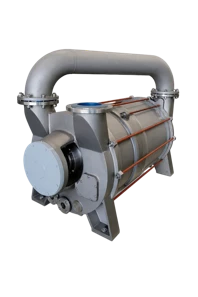
Hey there! As a supplier of premier screw vacuum pumps, I've seen my fair share of issues, and one of the most common problems that customers come to me with is abnormal noises coming from their pumps. It can be a real headache, but don't worry, I'm here to help you troubleshoot and get your pump back in tip-top shape.
Understanding the Basics
Before we dive into troubleshooting, let's first understand how a premier screw vacuum pump works. These pumps are designed to create a vacuum by using two intermeshing screws that rotate in opposite directions. As the screws turn, they trap and compress gas, then discharge it out of the pump. This process is usually smooth and quiet, but when something goes wrong, you might start to hear some strange noises.
Common Causes of Abnormal Noises
There are several reasons why your premier screw vacuum pump might be making abnormal noises. Here are some of the most common causes:
1. Foreign Objects
Sometimes, foreign objects can find their way into the pump. This could be anything from small pieces of debris to tools that were accidentally left behind during maintenance. When these objects get caught between the screws or other moving parts, they can cause the pump to make loud, grinding noises.
2. Wear and Tear
Over time, the screws and other components of the pump can wear down. This is especially true if the pump is used frequently or in harsh conditions. As the parts wear, they can start to make rattling or knocking noises.
3. Misalignment
If the pump is not properly aligned, it can cause the screws to rub against each other or other parts of the pump. This can result in a high-pitched screeching noise. Misalignment can be caused by improper installation or vibration over time.
4. Lubrication Issues
Premier screw vacuum pumps require proper lubrication to operate smoothly. If the lubricant is low or contaminated, it can cause increased friction between the moving parts, leading to noisy operation.
5. Motor Problems
The motor that drives the pump can also be a source of abnormal noises. A faulty motor can make humming, buzzing, or clicking sounds. This could be due to issues such as worn bearings, loose connections, or electrical problems.
Troubleshooting Steps
Now that we know some of the common causes of abnormal noises, let's go through the steps to troubleshoot your premier screw vacuum pump.
Step 1: Shut Down the Pump
The first thing you should do when you hear abnormal noises is to shut down the pump immediately. Continuing to run the pump with a problem can cause further damage and make the repair more expensive.


Step 2: Inspect for Foreign Objects
Once the pump is shut down, carefully inspect the inlet and outlet ports for any foreign objects. You can use a flashlight to get a better look. If you find any objects, remove them carefully using a pair of tweezers or other appropriate tools.
Step 3: Check for Wear and Tear
Next, examine the screws and other components of the pump for signs of wear. Look for any visible damage, such as scratches, dents, or excessive wear on the surfaces. If you notice any significant wear, it might be necessary to replace the affected parts.
Step 4: Verify Alignment
Check the alignment of the pump. You can use a straightedge or alignment tool to ensure that the pump is properly aligned. If you find that the pump is misaligned, you may need to adjust it according to the manufacturer's instructions.
Step 5: Check the Lubrication
Inspect the lubricant level and quality. If the lubricant is low, add the appropriate type of lubricant as recommended by the manufacturer. If the lubricant is contaminated, drain it and replace it with fresh lubricant.
Step 6: Examine the Motor
If you suspect that the motor is the source of the problem, check for any visible signs of damage, such as loose wires or burned components. You can also use a multimeter to test the motor's electrical connections and performance. If you're not comfortable working with electrical components, it's best to call a professional.
When to Seek Professional Help
Sometimes, troubleshooting the pump on your own might not be enough. If you've gone through all the steps and still can't identify or fix the problem, it's time to seek professional help. A qualified technician will have the expertise and tools to diagnose and repair the issue quickly and effectively.
Related Products
If you're in the market for other types of vacuum pumps, we also offer a range of high-quality products, including the ZJQ Gas circulation-cooled Roots Pump, NZJQ Multistage Gas circulation-cooled Roots Pump, and NZJP Multistage Roots Vacuum Pump. These pumps are designed to meet the needs of various industries and applications.
Contact Us for Purchase and Consultation
If you have any questions about premier screw vacuum pumps or any of our other products, or if you're interested in making a purchase, don't hesitate to contact us. We're here to provide you with the best solutions and support for your vacuum pump needs.
References
- Manufacturer's manual for premier screw vacuum pumps
- Industry standards and best practices for vacuum pump maintenance and troubleshooting