Hey there! As a supplier of liquid ring compressors, I've seen my fair share of issues that customers face, and one of the most common headaches is cavitation. In this blog, I'm gonna share some tips on how to prevent cavitation in a liquid ring compressor.
What is Cavitation?
First off, let's quickly go over what cavitation is. Cavitation happens when the pressure in a liquid drops below its vapor pressure, causing vapor bubbles to form. When these bubbles move to an area of higher pressure, they collapse suddenly. This implosion creates a shockwave that can damage the compressor's components over time, like the impeller and the casing. It can also lead to reduced efficiency, increased noise, and even complete compressor failure if left unchecked.
Factors Leading to Cavitation
Before we dive into prevention methods, it's important to understand what causes cavitation in a liquid ring compressor.
- Low Suction Pressure: If the suction pressure is too low, the liquid in the compressor can reach its vapor pressure more easily, leading to bubble formation.
- High Liquid Temperature: As the temperature of the liquid rises, its vapor pressure increases. So, if the liquid in the compressor is too hot, it's more likely to form vapor bubbles.
- Dirty or Clogged Filters: Filters are there to keep contaminants out of the compressor. But if they get dirty or clogged, it can restrict the flow of the liquid, causing a drop in pressure and potentially leading to cavitation.
- Incorrect Impeller Design or Wear: An impeller that's not designed properly or has worn out can disrupt the flow of the liquid, creating areas of low pressure where cavitation can occur.
How to Prevent Cavitation
1. Maintain Proper Suction Pressure
One of the key ways to prevent cavitation is to make sure the suction pressure is within the recommended range. You can use pressure sensors to monitor the suction pressure continuously. If the pressure starts to drop too low, you might need to adjust the system. For example, you could check if there are any blockages in the suction line or if the upstream equipment is functioning correctly.


Another thing you can do is to install a pressure regulator. This device can help maintain a stable suction pressure by adjusting the flow of the gas or liquid entering the compressor.
2. Control Liquid Temperature
As I mentioned earlier, high liquid temperature can increase the risk of cavitation. So, it's crucial to keep the liquid at an appropriate temperature. You can use a heat exchanger to cool the liquid before it enters the compressor. Make sure to regularly check the performance of the heat exchanger to ensure it's working efficiently.
Also, keep an eye on the ambient temperature around the compressor. If it's too hot, it can affect the liquid temperature inside the compressor. You might need to provide additional ventilation or cooling to the compressor room.
3. Keep Filters Clean
Regularly cleaning or replacing the filters is essential for preventing cavitation. A dirty filter can cause a significant drop in pressure, which can lead to bubble formation. Set up a maintenance schedule to check and clean the filters at regular intervals. You can also install a differential pressure gauge across the filter to monitor its condition. If the pressure drop across the filter exceeds a certain limit, it's time to clean or replace it.
4. Choose the Right Compressor and Maintain the Impeller
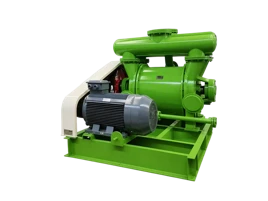
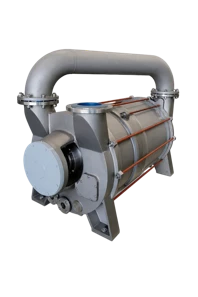
When selecting a liquid ring compressor, make sure it's the right size and design for your application. An undersized compressor might have to work harder, leading to higher chances of cavitation. You can check out our YE Liquid Ring Compressor and Y Liquid Ring Compressor models, which are designed to minimize cavitation risks and provide efficient performance.
Once you have the right compressor, it's important to maintain the impeller. Regularly inspect the impeller for signs of wear and tear. If you notice any damage, replace the impeller as soon as possible. A worn-out impeller can disrupt the flow of the liquid and create areas of low pressure, increasing the likelihood of cavitation.
5. Use the Right Liquid
The type of liquid you use in the compressor can also affect the risk of cavitation. Make sure to use a liquid that has a low vapor pressure at the operating temperature. Water is a common choice for liquid ring compressors, but in some cases, you might need to use a special fluid depending on your application. Consult with your compressor manufacturer or a technical expert to determine the best liquid for your compressor.
Monitoring and Early Detection
Even if you take all the preventive measures, it's still a good idea to monitor the compressor for signs of cavitation. You can listen for unusual noises, such as a popping or crackling sound, which can indicate that cavitation is occurring. You can also use vibration sensors to detect any abnormal vibrations in the compressor, as cavitation can cause increased vibration.
If you notice any signs of cavitation, take immediate action. It could be as simple as adjusting the operating parameters or as complex as replacing a damaged component. The earlier you detect and address the issue, the less damage it will cause to the compressor.
Conclusion
Cavitation is a serious issue that can cause significant damage to your liquid ring compressor. But by following these tips, you can minimize the risk and keep your compressor running smoothly. Remember to maintain proper suction pressure, control the liquid temperature, keep the filters clean, choose the right compressor and maintain the impeller, and use the right liquid. And always monitor the compressor for signs of cavitation so you can take action early.
If you're in the market for a new liquid ring compressor or need help with preventing cavitation in your existing compressor, don't hesitate to reach out. We're here to help you find the best solution for your needs.
References
- Compressor Handbook: Principles, Types, and Applications
- Liquid Ring Compressor Manufacturer's Manuals