Retrofitting an old rotary liquid ring compressor can significantly enhance its performance, extend its lifespan, and save you money in the long run. As a supplier of rotary liquid ring compressors, I've seen firsthand the benefits that a well - executed retrofit can bring. In this blog, I'll share some practical tips on how to retrofit your old compressor for better performance.
1. Assess the Current Condition
Before you start any retrofit project, it's crucial to conduct a thorough assessment of your compressor. Check for signs of wear and tear, such as leaks, excessive vibration, or unusual noises. You should also look at the compressor's operating parameters, like pressure, temperature, and flow rate. This information will help you identify the areas that need improvement.
For example, if you notice a significant drop in pressure, it could be due to a worn - out impeller or a damaged seal. If the compressor is running too hot, there might be an issue with the cooling system. By pinpointing these problems early on, you can develop a targeted retrofit plan.
2. Upgrade the Impeller
The impeller is one of the most critical components of a rotary liquid ring compressor. Over time, it can wear down, leading to reduced efficiency. Upgrading to a high - quality impeller can make a big difference in performance.
Modern impellers are designed with advanced materials and aerodynamic shapes. They can improve the compressor's volumetric efficiency, which means it can move more air or gas with less energy. When choosing an impeller, make sure it's compatible with your compressor's model and specifications. You can consult with our technical team to find the best impeller for your needs.
3. Improve the Sealing System
A leaky sealing system can cause a lot of problems, including loss of pressure, increased energy consumption, and contamination of the compressed gas. Upgrading the seals in your compressor can prevent these issues and improve its overall performance.
There are different types of seals available, such as mechanical seals and gland packing. Mechanical seals are generally more reliable and require less maintenance. They can provide a better seal, reducing the risk of leaks. When replacing the seals, make sure to follow the manufacturer's instructions carefully.
4. Optimize the Cooling System
Proper cooling is essential for the efficient operation of a rotary liquid ring compressor. If the compressor gets too hot, it can lead to reduced performance and even damage to the components.
You can optimize the cooling system by checking the coolant level regularly and ensuring that the cooling water flow is sufficient. You might also consider upgrading to a more efficient cooling system, such as a closed - loop cooling system. This type of system can better control the temperature and reduce water consumption.


5. Upgrade the Control System
An outdated control system can limit the performance of your compressor. Upgrading to a modern control system can provide more precise control over the compressor's operation.
A new control system can monitor and adjust the compressor's parameters in real - time, such as pressure, temperature, and flow rate. It can also provide diagnostic information, allowing you to detect and address problems quickly. Some control systems even have remote monitoring capabilities, so you can keep an eye on your compressor from anywhere.
6. Consider Energy - Saving Upgrades
Energy costs are a significant part of operating a compressor. By making energy - saving upgrades, you can reduce your electricity bills and make your compressor more environmentally friendly.
One way to save energy is to install a variable frequency drive (VFD). A VFD can adjust the speed of the compressor motor based on the actual demand. This means that the compressor only uses as much energy as it needs, reducing wasted energy during low - load periods.
Our Product Recommendations
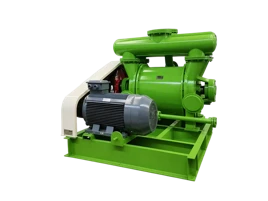
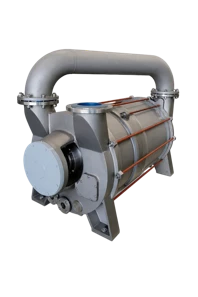
As a supplier, we offer a range of high - quality rotary liquid ring compressors, including the Y Liquid Ring Compressor and the YE Liquid Ring Compressor. These compressors are designed with the latest technology and can provide excellent performance right out of the box.
If you're thinking about retrofitting your old compressor, our products can also serve as a source of inspiration. You can see the features and technologies that we've incorporated into these new models and consider implementing some of them in your retrofit project.
Why Choose Us?
We have a team of experienced technicians who can provide you with professional advice on retrofitting your compressor. We also offer high - quality replacement parts and accessories, ensuring that your retrofit project is done right.
Whether you need help with assessing the current condition of your compressor, choosing the right upgrade components, or installing the new parts, we're here to support you every step of the way.
Contact Us for a Consultation
If you're interested in retrofitting your old rotary liquid ring compressor or have any questions about our products, don't hesitate to get in touch. Our sales team is ready to discuss your needs and provide you with a customized solution. We can also offer a free consultation to help you determine the best course of action for your compressor.
Let's work together to make your compressor perform better and save you money in the long run.
References
- Compressor Handbook, 3rd Edition.
- ASME Standards for Rotating Machinery.
- Manufacturer's Manuals for Rotary Liquid Ring Compressors.