How to Select the Right Oil for an Oil - Lubricated Single Stage Vacuum Pump
Introduction
As a seasoned single stage vacuum pump supplier, I understand the critical role that the right oil plays in ensuring the optimal performance and longevity of these pumps. An oil-lubricated single stage vacuum pump relies on oil for lubrication, sealing, and heat dissipation. Selecting the wrong oil can lead to decreased efficiency, increased wear and tear, and even premature pump failure. In this blog post, I'll share some essential guidelines on how to choose the right oil for your oil - lubricated single stage vacuum pump.
Understanding the Function of Oil in a Single Stage Vacuum Pump
Before delving into the selection process, it's important to understand the functions of oil in a single stage vacuum pump. First, the oil provides lubrication to the moving parts within the pump, reducing friction and wear. This helps to extend the lifespan of the pump and maintain its smooth operation. Second, the oil acts as a sealant, preventing air from leaking into the pump and ensuring that the desired vacuum level can be achieved and maintained. Finally, the oil helps to dissipate heat generated during the pumping process, preventing overheating and potential damage to the pump.
Factors to Consider When Selecting Oil
Viscosity
Viscosity is one of the most important factors to consider when selecting oil for an oil - lubricated single stage vacuum pump. Viscosity refers to the oil's resistance to flow. A pump requires an oil with the appropriate viscosity to ensure proper lubrication and sealing. If the oil is too thin (low viscosity), it may not provide adequate lubrication or sealing, leading to increased wear and air leakage. On the other hand, if the oil is too thick (high viscosity), it can cause excessive friction, increased power consumption, and difficulty in starting the pump.
The viscosity of oil is typically measured at two different temperatures: 40°C and 100°C. For most single stage vacuum pumps, an oil with a viscosity in the range of ISO VG 32 - ISO VG 100 at 40°C is suitable. However, the specific viscosity requirement may vary depending on the pump's operating conditions, such as temperature and pressure.
Chemical Stability
The oil should have good chemical stability to resist oxidation and degradation over time. Oxidation can cause the oil to form sludge and varnish, which can clog the pump's internal passages and reduce its efficiency. Moreover, degraded oil may not provide the necessary lubrication and sealing properties. Look for oils that are formulated with antioxidants and other additives to enhance their chemical stability.
Water Separation
Single stage vacuum pumps may come into contact with water vapor during the pumping process. Therefore, the oil should have good water separation properties to prevent emulsion formation. When oil and water form an emulsion, it can reduce the oil's lubrication and sealing capabilities, and may also cause corrosion within the pump. Oils with high water separation ratings can quickly separate water from the oil, ensuring that the pump continues to operate effectively.
Flash Point
The flash point of an oil is the temperature at which it gives off enough vapor to ignite in the presence of an open flame. A high flash point is desirable for oil - lubricated vacuum pumps, as it reduces the risk of fire and explosion. Make sure to choose an oil with a flash point that is appropriate for the pump's operating conditions.
Compatibility with Pump Materials
The oil must be compatible with the materials used in the pump, such as seals, gaskets, and metal components. Incompatible oils can cause swelling, shrinking, or degradation of these materials, leading to leaks and other problems. Check the pump manufacturer's recommendations to ensure that the selected oil is compatible with the pump's construction materials.


Types of Oil for Single Stage Vacuum Pumps
Mineral Oils
Mineral oils are a common and cost - effective choice for single stage vacuum pumps. They are derived from crude oil and have good lubrication properties. Mineral oils are suitable for many general - purpose applications where the operating conditions are relatively mild. However, they may not have the same level of chemical stability and performance as synthetic oils, especially in high - temperature or harsh - environment applications.
Synthetic Oils
Synthetic oils are formulated through chemical synthesis and offer several advantages over mineral oils. They have better chemical stability, which means they are less likely to oxidize and degrade over time. Synthetic oils also have a wider operating temperature range, making them suitable for applications where the pump may be exposed to extreme temperatures. Additionally, they often provide better lubrication and sealing properties, which can result in improved pump performance and longer service life. However, synthetic oils are generally more expensive than mineral oils.
Semi - Synthetic Oils
Semi - synthetic oils are a blend of mineral and synthetic oils. They offer a balance between the cost - effectiveness of mineral oils and the performance benefits of synthetic oils. Semi - synthetic oils can be a good choice for applications that require better performance than mineral oils but where the budget does not allow for fully synthetic oils.
Our Product Recommendations
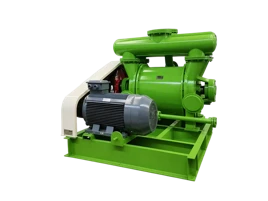
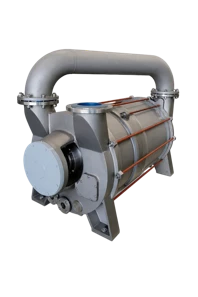
As a single stage vacuum pump supplier, we offer a range of high - quality pumps, such as the 2BE1 Liquid Ring Vacuum Pump, 2BV Liquid Ring Vacuum Pump, and 2BED 2 Stage Liquid Ring Vacuum Pump. For each of these pumps, we can provide detailed information on the recommended oil types and specifications to ensure optimal performance.
Conclusion
Selecting the right oil for an oil - lubricated single stage vacuum pump is crucial for its performance, efficiency, and longevity. By considering factors such as viscosity, chemical stability, water separation, flash point, and compatibility with pump materials, you can make an informed decision. Whether you choose mineral, synthetic, or semi - synthetic oil, always refer to the pump manufacturer's recommendations.
If you are in the process of selecting a single stage vacuum pump or need advice on the right oil for your existing pump, our team of experts is here to help. Contact us for a detailed discussion on your specific requirements and let us provide you with the best solutions for your vacuum pumping needs.
References
- "Vacuum Technology: A Practical Guide for Scientists and Engineers" by O'Hanlon, John F.
- Manufacturer's manuals of various single stage vacuum pumps.