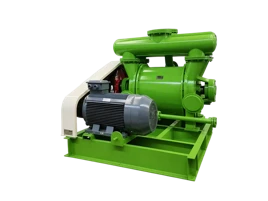
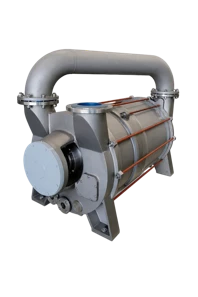
Hey there, folks! As a supplier of high flow vacuum pumps, I've seen my fair share of issues with these machines. In this blog, I'm gonna share some tips on how to troubleshoot a high flow vacuum pump. Whether you're a seasoned pro or just starting out, these tips should help you get your pump back up and running in no time.
1. Check the Power Supply
The first thing you should do when troubleshooting a high flow vacuum pump is to check the power supply. A lot of times, the problem can be as simple as a loose connection or a blown fuse. Make sure the pump is properly plugged in and that the power switch is turned on. If you're using an extension cord, check to make sure it's not damaged or overloaded.
If the pump still isn't working after checking the power supply, you may need to check the circuit breaker or fuse box. Sometimes, a tripped breaker or blown fuse can cause the pump to stop working. Reset the breaker or replace the fuse and see if the pump starts up.
2. Inspect the Inlet and Outlet Ports
Another common issue with high flow vacuum pumps is a clogged inlet or outlet port. Over time, dirt, debris, and other contaminants can build up in the ports, restricting the flow of air and reducing the pump's performance. To check for clogs, remove the inlet and outlet hoses and inspect the ports for any signs of blockage.
If you find a clog, you can try using a brush or compressed air to remove it. Be careful not to damage the ports or hoses while cleaning them. If the clog is too stubborn to remove, you may need to replace the inlet or outlet filter.
3. Check the Oil Level
Most high flow vacuum pumps require oil to lubricate the moving parts and prevent overheating. If the oil level is too low, the pump may not work properly or may even be damaged. To check the oil level, locate the oil sight glass or dipstick on the pump and check the level against the recommended range.
If the oil level is low, add the recommended type and amount of oil to the pump. Be careful not to overfill the pump, as this can also cause problems. If the oil looks dirty or contaminated, you may need to change it.


4. Look for Leaks
Leaks can also cause problems with high flow vacuum pumps. A leak in the system can reduce the pump's performance and increase the amount of energy required to operate it. To check for leaks, inspect the hoses, fittings, and seals for any signs of damage or wear.
If you find a leak, you can try tightening the fittings or replacing the damaged parts. If the leak is coming from a seal, you may need to replace the seal. Make sure to use the correct type and size of seal for your pump.
5. Check the Belt Tension
If your high flow vacuum pump is belt-driven, you need to make sure the belt is properly tensioned. A loose belt can slip, reducing the pump's performance and causing it to overheat. To check the belt tension, locate the belt tensioner and adjust it as needed.
If the belt is worn or damaged, you may need to replace it. Make sure to use the correct type and size of belt for your pump.
6. Examine the Motor
The motor is the heart of the high flow vacuum pump, so it's important to make sure it's working properly. If the motor is overheating, making strange noises, or not running at all, there may be a problem with it.
To check the motor, inspect it for any signs of damage or wear. Look for loose wires, frayed insulation, or other signs of electrical problems. If you're not comfortable working with electrical components, it's best to call a professional.
7. Consider the System Pressure
The system pressure can also affect the performance of the high flow vacuum pump. If the pressure is too high or too low, the pump may not work properly. To check the system pressure, use a pressure gauge to measure the pressure at the inlet and outlet ports of the pump.
If the pressure is too high, you may need to adjust the pressure relief valve or reduce the flow rate. If the pressure is too low, you may need to check for leaks or blockages in the system.
8. Use Diagnostic Tools
If you're still having trouble troubleshooting your high flow vacuum pump, you may want to consider using diagnostic tools. There are a variety of tools available, such as vacuum gauges, flow meters, and temperature sensors, that can help you identify the problem.
Using diagnostic tools can save you time and money by allowing you to quickly identify and fix the problem. However, it's important to use the tools correctly and follow the manufacturer's instructions.
9. Consult the Manufacturer's Manual
Finally, if you're still having trouble troubleshooting your high flow vacuum pump, consult the manufacturer's manual. The manual should contain detailed information about the pump's operation, maintenance, and troubleshooting procedures.
If you can't find the answer to your problem in the manual, you can contact the manufacturer's customer support team for assistance. They should be able to provide you with more information and help you resolve the issue.
Conclusion
Troubleshooting a high flow vacuum pump can be a challenging task, but with the right tools and knowledge, you can do it yourself. By following the tips outlined in this blog, you should be able to identify and fix most common problems with your pump.
If you're in the market for a high flow vacuum pump, we offer a wide range of models to choose from, including the 2BED 2 Stage Liquid Ring Vacuum Pump, 2BV Liquid Ring Vacuum Pump, and 2BE3 Large Liquid Ring Vacuum Pump. Our pumps are designed to provide reliable performance and long-lasting durability.
If you have any questions or would like to discuss your specific needs, please don't hesitate to contact us. We're here to help you find the right pump for your application and provide you with the support you need to keep it running smoothly.
References
- Manufacturer's manuals for high flow vacuum pumps
- Industry standards and best practices for vacuum pump maintenance and troubleshooting