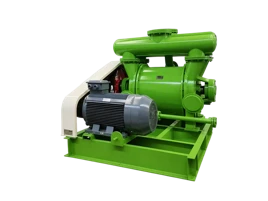
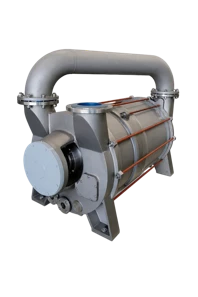
Hey there! As a supplier of dry vacuum pumps, I've seen firsthand how important it is to keep these machines in top - notch condition. Upgrading a dry vacuum pump can significantly enhance its performance, efficiency, and longevity. In this blog, I'll walk you through the steps on how to upgrade a dry vacuum pump.
Why Upgrade Your Dry Vacuum Pump?
Before we dive into the upgrade process, let's quickly discuss why you might want to upgrade your dry vacuum pump. Over time, technology advances, and new features are developed that can make your pump more efficient, reduce maintenance costs, and improve overall performance. Maybe your current pump is struggling to meet the demands of your process, or perhaps you're looking to cut down on energy consumption. Whatever the reason, upgrading can be a great investment.
Step 1: Assess Your Current Pump
The first step in upgrading your dry vacuum pump is to assess its current state. You need to understand what's working well and what needs improvement. Check the pump's age, usage history, and any maintenance records. Look for signs of wear and tear, such as leaks, unusual noises, or a decrease in performance.
For example, if your pump is old and has been running continuously for years, it might be time for a major upgrade. On the other hand, if it's relatively new but has some minor issues, a simple upgrade to a more advanced control system might do the trick.
Step 2: Define Your Upgrade Goals
Once you've assessed your current pump, you need to define your upgrade goals. Are you looking to increase the pumping speed, improve the ultimate vacuum level, or reduce the noise level? Maybe you want to make the pump more energy - efficient or compatible with new processes.
Let's say you're running a laboratory where you need a very high vacuum level for your experiments. In this case, your goal might be to upgrade to a pump that can achieve a lower ultimate vacuum. Or, if you're in a manufacturing facility, you might want to increase the pumping speed to improve production efficiency.
Step 3: Research Upgrade Options
Now that you know what you want to achieve, it's time to research your upgrade options. There are several types of dry vacuum pumps available on the market, each with its own features and benefits.
One option is the NZJQ Multistage Gas circulation - cooled Roots Pump. This pump is known for its high pumping speed and reliability. It uses a gas circulation - cooled system, which helps to keep the pump temperature stable and reduces the risk of overheating.
Another option is the ZJQ Gas circulation - cooled Roots Pump. Similar to the NZJQ pump, it also has a gas circulation - cooled design. It's a great choice if you need a pump that can handle high - volume gas loads.
If you're looking for a pump with a simple and robust design, the VDP Dry Screw Vacuum Pump might be a good option. It has a low noise level and is relatively easy to maintain.
Step 4: Consider Compatibility
When choosing an upgrade option, it's crucial to consider compatibility. Your new pump should be compatible with your existing system, including the piping, valves, and control systems.
For example, if your current system uses a specific type of connection for the pump, your new pump should have the same or a compatible connection. Also, make sure that the new pump's power requirements match your electrical supply.
Step 5: Plan the Upgrade Process
Once you've chosen the upgrade option, it's time to plan the upgrade process. This involves scheduling the upgrade during a time when it won't disrupt your operations too much. You'll also need to gather all the necessary tools and materials.
If you're not experienced in pump installation and upgrade, it's a good idea to hire a professional. They can ensure that the upgrade is done correctly and safely.
Step 6: Install the New Pump
The next step is to install the new pump. This should be done carefully to avoid any damage to the pump or the surrounding equipment. Follow the manufacturer's instructions for installation, and make sure all the connections are tight and secure.
During the installation, check the alignment of the pump and the motor. Misalignment can cause excessive vibration and premature wear of the pump components.
Step 7: Test and Commission the Pump
After the installation is complete, it's time to test and commission the pump. Start by running the pump at a low speed and check for any leaks or abnormal noises. Gradually increase the speed and monitor the pump's performance.
Check the pumping speed, ultimate vacuum level, and power consumption. Compare these values with the manufacturer's specifications to ensure that the pump is working as expected.
Step 8: Train Your Staff
Once the pump is up and running, it's important to train your staff on how to operate and maintain the new pump. Provide them with training materials, such as user manuals and maintenance guides.


Make sure your staff knows how to start and stop the pump, how to monitor its performance, and how to perform basic maintenance tasks. Regular training can help to prevent costly breakdowns and ensure the long - term reliability of the pump.
Step 9: Monitor and Maintain the Pump
Finally, you need to monitor and maintain the pump regularly. Keep an eye on the pump's performance, and look for any signs of deterioration. Follow the manufacturer's recommended maintenance schedule, which may include tasks such as oil changes, filter replacements, and inspections.
Regular maintenance can extend the life of the pump and keep it operating at peak efficiency.
Conclusion
Upgrading a dry vacuum pump is a multi - step process that requires careful planning and execution. By following these steps, you can ensure that your upgrade is successful and that your new pump meets your needs.
If you're interested in upgrading your dry vacuum pump or have any questions about our products, feel free to reach out. We're here to help you make the best decision for your business.
References
- Manufacturer's manuals of NZJQ Multistage Gas circulation - cooled Roots Pump.
- Technical documents of ZJQ Gas circulation - cooled Roots Pump.
- Product specifications of VDP Dry Screw Vacuum Pump.