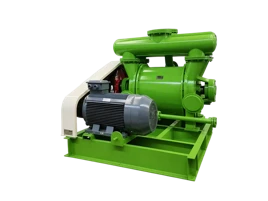
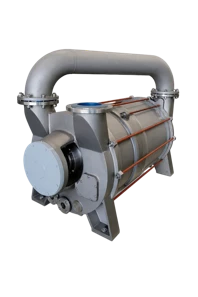
Hey there! As a supplier of water ring vacuum pumps, I've seen my fair share of issues with these machines. In this blog, I'll talk about the common problems that you might run into with water ring vacuum pumps and how to solve them. So, let's dive right in!
Problem 1: Low Vacuum Level
One of the most common issues is a low vacuum level. This can be a real headache, especially when your pump is supposed to be pulling in a good amount of vacuum. There are a few reasons why this might happen.
Leakage: The first thing to check for is leakage. A leak in the system can let air in, which reduces the vacuum level. You can use a soapy water solution to check for leaks. Just apply the solution to the joints and connections, and if you see bubbles forming, you've found a leak. Once you've located the leak, you can repair it by tightening the connections or replacing any damaged gaskets.
Insufficient Water Supply: Water is crucial for the operation of a water ring vacuum pump. If there's not enough water in the system, the pump won't be able to create a proper water ring, which is essential for generating vacuum. Make sure the water supply is adequate and that the water is flowing smoothly through the pump. You can also check the water level in the pump's reservoir and refill it if necessary.
Worn Impeller: Over time, the impeller in the pump can wear out. A worn impeller won't be able to generate enough centrifugal force to create a strong water ring, resulting in a low vacuum level. If you suspect that the impeller is worn, you'll need to replace it. It's a good idea to have a spare impeller on hand so you can quickly replace it when needed.
Problem 2: High Power Consumption
Another common problem is high power consumption. If your pump is using more power than usual, it could be a sign of an underlying issue.
Mechanical Friction: Mechanical friction can cause the pump to work harder, which leads to higher power consumption. Check the bearings and seals in the pump for any signs of wear or damage. If they're worn out, replace them. You can also lubricate the moving parts to reduce friction.
Incorrect Pump Size: Using a pump that's too large for your application can also result in high power consumption. Make sure you've selected the right size of pump for your needs. If you're not sure, you can consult with a professional or refer to the pump's specifications.
Clogged Filters: Clogged filters can restrict the flow of air and water through the pump, causing it to work harder and consume more power. Check the filters regularly and clean or replace them as needed.
Problem 3: Noise and Vibration
Excessive noise and vibration can be a nuisance and may also indicate a problem with the pump.
Imbalanced Impeller: An imbalanced impeller can cause the pump to vibrate and make noise. You can check the impeller for balance by using a balancing machine. If it's imbalanced, you'll need to balance it or replace it.
Loose Mounting: A loose mounting can also cause the pump to vibrate. Make sure the pump is securely mounted to its base. Check the bolts and nuts and tighten them if necessary.
Cavitation: Cavitation occurs when the pressure in the pump drops below the vapor pressure of the liquid, causing bubbles to form and collapse. This can create noise and vibration and can also damage the pump. To prevent cavitation, make sure the pump is operating within its recommended pressure range and that the water supply is adequate.
Problem 4: Overheating
Overheating can damage the pump and reduce its lifespan.
Insufficient Cooling: If the pump isn't being cooled properly, it can overheat. Check the cooling system to make sure it's working correctly. This may involve checking the water flow rate, the temperature of the cooling water, and the condition of the cooling coils.
High Ambient Temperature: Working in a high ambient temperature environment can also cause the pump to overheat. If possible, try to relocate the pump to a cooler area or provide additional ventilation.
Excessive Load: Running the pump at a higher load than it's designed for can cause it to overheat. Make sure you're not overloading the pump and that it's operating within its recommended capacity.


How to Solve These Problems
Now that we've covered the common problems, let's talk about how to solve them.
- Regular Maintenance: The key to preventing and solving these problems is regular maintenance. This includes checking the pump for leaks, lubricating the moving parts, cleaning or replacing the filters, and inspecting the impeller and other components for wear.
- Proper Installation: Make sure the pump is installed correctly. This includes ensuring that the pump is level, the connections are tight, and the electrical wiring is correct.
- Use the Right Parts: When replacing parts, make sure you use high-quality parts that are compatible with your pump. Using the wrong parts can cause more problems and may void the warranty.
Our Product Recommendations
We offer a range of high-quality water ring vacuum pumps to meet your needs. Here are some of our popular models:
- 2BE1 Liquid Ring Vacuum Pump: This pump is known for its reliability and efficiency. It's suitable for a wide range of applications, including chemical processing, food and beverage, and pharmaceutical industries.
- 2BE3 Large Liquid Ring Vacuum Pump: If you need a pump with a higher capacity, the 2BE3 is a great choice. It's designed for heavy-duty applications and can handle large volumes of air and gas.
- 2BED 2 Stage Liquid Ring Vacuum Pump: The 2BED pump offers a higher vacuum level and is ideal for applications that require a deeper vacuum, such as vacuum distillation and freeze drying.
Contact Us for Purchasing
If you're experiencing any problems with your water ring vacuum pump or if you're looking to purchase a new one, don't hesitate to contact us. Our team of experts can provide you with professional advice and solutions. We're committed to providing high-quality products and excellent customer service.
References
- "Handbook of Vacuum Technology" by O'Hanlon, John F.
- "Vacuum Pumps and Vacuum Systems: Selection, Installation, and Operation" by Arthur W. Leung.