Hey there! As a supplier of industrial water vacuum pumps, I often get asked about energy-saving measures for these pumps. In this blog post, I'll share some practical tips and strategies that can help you cut down on energy consumption and save some bucks in the long run.
Understanding the Basics of Industrial Water Vacuum Pumps
Before we dive into the energy-saving measures, let's quickly go over what industrial water vacuum pumps are and how they work. These pumps are used in a wide range of industries, including chemical, pharmaceutical, food and beverage, and more. They create a vacuum by removing air and other gases from a closed system, allowing for processes like filtration, distillation, and drying to take place.
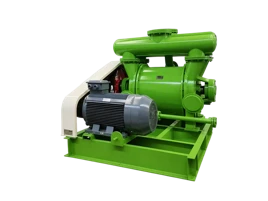
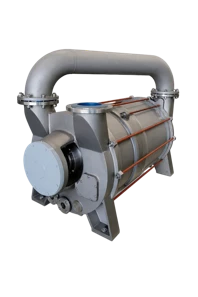
There are different types of industrial water vacuum pumps, such as liquid ring vacuum pumps. We offer a variety of models, including the 2BE3 Large Liquid Ring Vacuum Pump, 2BE1 Liquid Ring Vacuum Pump, and 2BED 2 Stage Liquid Ring Vacuum Pump. Each model has its own features and benefits, but they all work on the principle of using water as a sealing and cooling medium.
Energy-Saving Measures
1. Proper Sizing and Selection
One of the most important steps in saving energy with an industrial water vacuum pump is to choose the right size and type for your specific application. An oversized pump will consume more energy than necessary, while an undersized pump may not be able to meet the required vacuum level or flow rate.
When selecting a pump, consider factors such as the required vacuum level, flow rate, process temperature, and the type of gas or vapor being handled. Our team of experts can help you determine the best pump for your needs based on these factors. By choosing the right pump from the start, you can avoid unnecessary energy consumption and ensure optimal performance.
2. Regular Maintenance
Regular maintenance is crucial for keeping your industrial water vacuum pump running efficiently. Over time, pumps can experience wear and tear, which can lead to decreased performance and increased energy consumption. By performing routine maintenance tasks, you can prevent these issues and keep your pump operating at its best.
Some of the maintenance tasks you should perform include:
- Checking and replacing the seals and gaskets regularly to prevent leaks.
- Cleaning the pump and its components to remove dirt, debris, and scale buildup.
- Inspecting the impeller and other rotating parts for damage or wear.
- Checking the water level and quality in the pump to ensure proper cooling and sealing.
- Lubricating the bearings and other moving parts as recommended by the manufacturer.
By following a regular maintenance schedule, you can extend the lifespan of your pump and reduce energy consumption.
3. Optimize the Operating Conditions
The operating conditions of your industrial water vacuum pump can have a significant impact on its energy consumption. By optimizing these conditions, you can reduce the amount of energy required to operate the pump.


Some ways to optimize the operating conditions include:
- Maintaining the correct water temperature: The water used in the pump should be at the right temperature to ensure proper cooling and sealing. If the water is too hot, it can reduce the pump's efficiency and increase energy consumption.
- Controlling the water flow rate: The water flow rate should be adjusted to match the pump's requirements. Too much water flow can waste energy, while too little water flow can cause the pump to overheat.
- Monitoring the vacuum level: Keep an eye on the vacuum level in the system and adjust the pump's operation accordingly. If the vacuum level is too high or too low, it can affect the pump's performance and energy consumption.
- Using a variable frequency drive (VFD): A VFD allows you to adjust the speed of the pump motor based on the actual demand. This can help you save energy by reducing the pump's speed when the demand is low.
4. Implement a Vacuum System Optimization
In addition to optimizing the pump itself, you can also implement a vacuum system optimization to further reduce energy consumption. This involves looking at the entire vacuum system, including the piping, valves, and other components, and making improvements to increase efficiency.
Some ways to optimize the vacuum system include:
- Minimizing the length and diameter of the piping: Shorter and smaller diameter piping can reduce pressure drop and energy consumption.
- Using high-quality valves and fittings: Low-quality valves and fittings can leak and cause energy losses. By using high-quality components, you can prevent these issues and improve the efficiency of the system.
- Installing a vacuum reservoir: A vacuum reservoir can help to smooth out the fluctuations in the vacuum level and reduce the load on the pump. This can result in energy savings and improved system performance.
- Implementing a vacuum control system: A vacuum control system can automatically adjust the pump's operation based on the demand, ensuring that the pump is only running when it's needed.
Conclusion
Energy-saving measures for industrial water vacuum pumps are essential for reducing operating costs and improving the environmental sustainability of your business. By following the tips and strategies outlined in this blog post, you can optimize the performance of your pump and reduce energy consumption.
If you're interested in learning more about our industrial water vacuum pumps or need help with energy-saving solutions, please don't hesitate to contact us. Our team of experts is here to assist you with all your vacuum pump needs. Let's work together to save energy and make your operations more efficient!
References
- ASHRAE Handbook - HVAC Systems and Equipment. American Society of Heating, Refrigerating and Air-Conditioning Engineers.
- Pump Systems Matter. A program of the Hydraulic Institute and the U.S. Department of Energy.