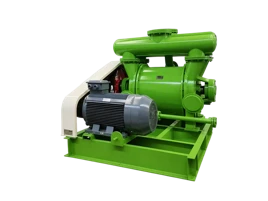
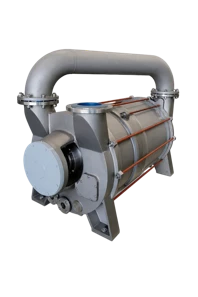
Solvent recovery pumps play a crucial role in various industries, including chemical, pharmaceutical, and food processing. These pumps are used to recover solvents from industrial processes, reducing waste, saving costs, and minimizing environmental impact. As technology advances and industries evolve, the future development trends of solvent recovery pumps are becoming increasingly important. In this blog post, I'll discuss these trends from the perspective of a solvent recovery pump supplier.
1. Energy Efficiency
Energy efficiency is one of the most significant trends in the development of solvent recovery pumps. With the increasing emphasis on sustainable development and the rising cost of energy, industries are constantly looking for ways to reduce their energy consumption. Solvent recovery pumps are no exception.
Manufacturers are now focusing on developing pumps with higher energy efficiency ratings. This can be achieved through several means. First, the design of the pump itself is being optimized. For example, new impeller designs are being developed to reduce friction and improve the flow of solvents through the pump. This not only reduces the energy required to operate the pump but also improves its overall performance.
Second, the use of advanced motor technologies is becoming more widespread. Variable frequency drives (VFDs) are being increasingly used in solvent recovery pumps. VFDs allow the pump to adjust its speed according to the actual demand, which can significantly reduce energy consumption. For instance, when the solvent recovery process requires less flow, the pump can operate at a lower speed, consuming less energy.
2. Intelligent Control and Automation
The future of solvent recovery pumps lies in intelligent control and automation. With the development of the Internet of Things (IoT) and artificial intelligence (AI), pumps can now be equipped with sensors and controllers that can monitor and adjust their operation in real - time.
Sensors can be used to measure various parameters such as pressure, temperature, flow rate, and solvent concentration. This data can then be transmitted to a central control system, where AI algorithms can analyze it and make decisions on how to optimize the pump's operation. For example, if the sensor detects a decrease in solvent concentration, the control system can adjust the pump's speed or flow rate to ensure efficient recovery.


Automation also reduces the need for manual intervention, which not only improves the accuracy and reliability of the solvent recovery process but also reduces labor costs. Operators can monitor and control the pumps remotely through a mobile app or a web - based interface, allowing for greater flexibility and convenience.
3. Environmental Friendliness
Environmental concerns are driving the development of more environmentally friendly solvent recovery pumps. As regulations regarding emissions and waste disposal become more stringent, industries are looking for pumps that can minimize their environmental impact.
One way to achieve this is by reducing the leakage of solvents. Manufacturers are developing pumps with better sealing technologies to prevent solvent leakage during operation. This not only reduces the release of harmful chemicals into the environment but also improves the safety of the workplace.
Another trend is the use of more sustainable materials in the manufacturing of pumps. For example, some manufacturers are using recycled materials or materials that are easier to recycle at the end of the pump's life cycle. Additionally, the development of pumps that can recover solvents more efficiently means less waste is generated, which is beneficial for the environment.
4. High - Performance and Reliability
In industries where solvent recovery is critical, such as the pharmaceutical and chemical industries, high - performance and reliability are of utmost importance. Future solvent recovery pumps need to be able to operate continuously under harsh conditions without breakdowns.
Manufacturers are investing in research and development to improve the durability and reliability of their pumps. This includes using high - quality materials, such as corrosion - resistant alloys, in the construction of the pump. Additionally, advanced manufacturing processes are being used to ensure the precision and quality of the pump components.
For high - performance applications, pumps with higher pumping speeds and better vacuum capabilities are being developed. The NZJP Multistage Roots Vacuum Pump is an example of a pump that offers high - performance in solvent recovery. It has multiple stages of compression, which allows it to achieve a higher vacuum level and a greater pumping speed compared to single - stage pumps.
5. Customization
Different industries have different requirements for solvent recovery pumps. Therefore, customization is becoming an important trend in the development of these pumps.
As a solvent recovery pump supplier, we understand that each customer's needs are unique. We offer a wide range of pump models and configurations that can be customized according to the specific requirements of the application. For example, some customers may require pumps with a specific flow rate, pressure, or solvent compatibility. We can work closely with our customers to design and manufacture pumps that meet their exact needs.
6. Integration with Other Systems
Solvent recovery pumps are often part of a larger industrial process. In the future, these pumps will be more integrated with other systems, such as distillation columns, condensers, and storage tanks.
This integration allows for a more seamless and efficient solvent recovery process. For example, the pump can be integrated with a distillation column so that it can adjust its operation based on the temperature and pressure inside the column. This ensures that the solvents are recovered at the optimal conditions, improving the overall efficiency of the process.
The ZJQ Gas circulation - cooled Roots Pump and NZJQ Multistage Gas circulation - cooled Roots Pump are designed to be easily integrated into various industrial systems. Their compact design and flexible installation options make them suitable for a wide range of applications.
Contact for Purchase and Negotiation
As a leading supplier of solvent recovery pumps, we are committed to providing our customers with high - quality products and excellent service. If you are interested in our solvent recovery pumps or have any questions about their application and customization, please feel free to contact us. We look forward to discussing your specific needs and working with you to find the best solvent recovery solution for your business.
References
- Smith, J. (2020). Energy - efficient pump technologies for industrial applications. Journal of Industrial Engineering, 15(2), 45 - 52.
- Johnson, A. (2021). Intelligent control systems in solvent recovery processes. Proceedings of the International Conference on Chemical Engineering, 32, 123 - 130.
- Brown, C. (2019). Environmental considerations in the design of solvent recovery pumps. Environmental Science & Technology, 22(3), 67 - 74.