As a supplier of liquid ring vacuum pumps, I am often asked about the capabilities and limitations of these pumps, especially when it comes to pumping liquids. Liquid ring vacuum pumps are widely used in various industries due to their simplicity, reliability, and ability to handle wet and dirty gases. However, like any technology, they have their limitations when it comes to pumping liquids. In this blog post, I will discuss some of the key limitations of using a liquid ring vacuum pump to pump liquids.
1. Viscosity Limitations
One of the primary limitations of liquid ring vacuum pumps when pumping liquids is their sensitivity to viscosity. Liquid ring vacuum pumps are designed to work with relatively low - viscosity liquids. As the viscosity of the liquid increases, the pump's efficiency and performance decrease significantly.
The liquid ring in a liquid ring vacuum pump is formed by a rotating impeller that throws the liquid against the pump casing, creating a seal and a series of chambers. When the liquid is highly viscous, it becomes more difficult for the impeller to move the liquid and form an effective liquid ring. This can lead to increased power consumption, reduced flow rates, and even mechanical damage to the pump over time.
For example, if you try to pump a thick oil or a highly viscous chemical solution using a liquid ring vacuum pump designed for water - like liquids, the pump may struggle to maintain its normal operation. The increased resistance of the viscous liquid can cause the impeller to slow down, reducing the volume of liquid that can be pumped per unit of time.
2. Solids Handling Limitations
Liquid ring vacuum pumps are not well - suited for pumping liquids that contain a high concentration of solids. The presence of solids in the liquid can cause several problems for the pump.
Firstly, solids can cause abrasion and wear on the pump components, such as the impeller, casing, and seals. The constant rubbing of the solid particles against these surfaces can lead to premature failure of the pump. For instance, sand or grit in the liquid can quickly erode the impeller blades, reducing the pump's efficiency and performance.
Secondly, solids can clog the pump passages. The narrow channels and small clearances in a liquid ring vacuum pump can easily become blocked by solid particles. This can lead to a decrease in flow rate, an increase in pressure within the pump, and ultimately, a complete shutdown of the pump.
Even if the solids are small enough to pass through the pump initially, they can accumulate over time and cause problems. For example, fine particulate matter may build up on the pump's internal surfaces, reducing the efficiency of the liquid ring formation and increasing the risk of mechanical failure.
3. Temperature Limitations
The performance of a liquid ring vacuum pump is also affected by the temperature of the liquid being pumped. Most liquid ring vacuum pumps are designed to operate within a specific temperature range.
High - temperature liquids can cause several issues. Firstly, as the temperature of the liquid increases, its vapor pressure also increases. If the vapor pressure of the liquid exceeds the allowable limit for the pump, it can lead to cavitation. Cavitation occurs when vapor bubbles form in the liquid due to the low pressure regions created by the pump's operation. These bubbles then collapse, causing shock waves that can damage the pump components, such as the impeller and casing.
Secondly, high - temperature liquids can cause thermal expansion of the pump components. This can lead to changes in the clearances between the impeller and the casing, affecting the pump's performance and potentially causing mechanical interference.
On the other hand, very low - temperature liquids can also be a problem. Cold liquids can increase the viscosity of the liquid, as mentioned earlier, and may also cause embrittlement of some pump materials, increasing the risk of cracking and failure.
4. Chemical Compatibility Limitations
The chemical nature of the liquid being pumped is another important factor to consider. Liquid ring vacuum pumps are typically made of specific materials, such as cast iron, stainless steel, or various plastics. These materials have different levels of resistance to different chemicals.
If the liquid being pumped is chemically aggressive towards the pump materials, it can cause corrosion and degradation of the pump components. For example, a liquid containing strong acids or alkalis can quickly corrode a cast - iron pump casing or an impeller made of a non - resistant material.
This corrosion can not only reduce the pump's performance but also pose a safety risk. A corroded pump may leak hazardous chemicals, which can be harmful to the environment and the operators. Therefore, it is crucial to ensure that the liquid being pumped is chemically compatible with the materials of the liquid ring vacuum pump.
5. Flow Rate and Pressure Limitations
Liquid ring vacuum pumps have specific flow rate and pressure capabilities. These capabilities are determined by the pump's design, size, and operating conditions.
If you try to pump a liquid at a flow rate or pressure that exceeds the pump's rated capacity, it can lead to problems. For example, if you try to force a liquid through the pump at a higher flow rate than it is designed for, the pump may not be able to maintain the required pressure. This can result in reduced performance, increased power consumption, and potential damage to the pump.
Conversely, if the required flow rate or pressure is much lower than the pump's rated capacity, the pump may operate inefficiently. The pump may consume more energy than necessary, and the liquid ring may not form properly, leading to sub - optimal performance.


Our Product Solutions
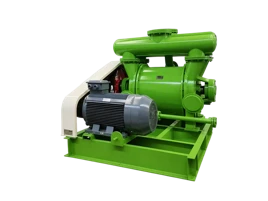
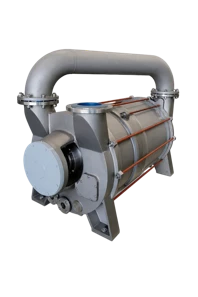
At our company, we offer a range of liquid ring vacuum pumps that are designed to meet different application requirements. Our 2BED 2 Stage Liquid Ring Vacuum Pump is suitable for applications that require higher vacuum levels and better performance. It is designed with advanced technology to handle a variety of liquids within its specified limitations.
The 2BE1 Liquid Ring Vacuum Pump is another popular option. It is known for its reliability and efficiency in pumping liquids with relatively low viscosity and few solids.
For smaller - scale applications, our 2BV Liquid Ring Vacuum Pump provides a cost - effective solution. It is compact and easy to install, making it suitable for a wide range of industrial and laboratory applications.
Conclusion
While liquid ring vacuum pumps are versatile and useful in many applications, they do have limitations when it comes to pumping liquids. Viscosity, solids content, temperature, chemical compatibility, and flow rate/pressure requirements all need to be carefully considered when selecting a liquid ring vacuum pump for a specific liquid - pumping application.
If you are facing challenges in choosing the right liquid ring vacuum pump for your liquid - pumping needs, or if you have any questions about the limitations and capabilities of our pumps, please do not hesitate to contact us. Our team of experts is ready to assist you in finding the best solution for your specific requirements. We can provide detailed technical advice and help you select the most suitable pump based on your liquid characteristics and operating conditions.
References
- "Handbook of Vacuum Technology", edited by O. D. Criswell, provides in - depth information on the operation and limitations of vacuum pumps, including liquid ring vacuum pumps.
- "Pump Handbook", by Igor Karassik et al., offers comprehensive knowledge about different types of pumps, their design, and performance characteristics.