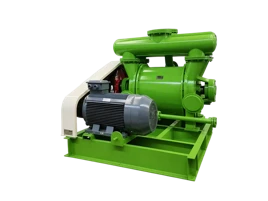
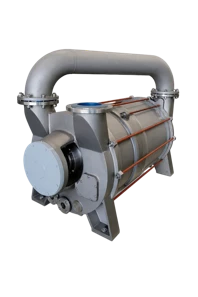
Noise reduction is a crucial aspect in the operation of liquid ring compressors, as excessive noise not only affects the working environment but also indicates potential inefficiencies or malfunctions. As a professional liquid ring compressor supplier, we understand the significance of noise control and are committed to providing effective solutions to our customers. In this blog, we will explore various noise reduction methods for liquid ring compressors.
Understanding the Sources of Noise in Liquid Ring Compressors
Before delving into the noise reduction methods, it is essential to understand the primary sources of noise in liquid ring compressors. The noise generated by these compressors mainly comes from three aspects: mechanical noise, aerodynamic noise, and hydraulic noise.
Mechanical noise is produced by the moving parts of the compressor, such as the rotor, bearings, and gears. Friction, impact, and vibration between these components can generate significant noise. For example, if the bearings are worn out or not properly lubricated, they will produce a high - pitched screeching sound.
Aerodynamic noise is related to the flow of gas in the compressor. When the gas is compressed and discharged, turbulence and pressure fluctuations occur, resulting in noise. The design of the inlet and outlet ports, as well as the shape of the compression chamber, can greatly affect the aerodynamic noise level.
Hydraulic noise is caused by the flow of the liquid ring inside the compressor. Irregular flow patterns, cavitation, and pressure changes in the liquid can all contribute to hydraulic noise. Cavitation, in particular, can cause a popping or crackling sound, which is not only noisy but also harmful to the compressor's internal components.
Noise Reduction Methods
1. Design Optimization
- Rotor Design: A well - designed rotor can significantly reduce mechanical and aerodynamic noise. The shape and balance of the rotor play a vital role. By using advanced computer - aided design (CAD) and computational fluid dynamics (CFD) techniques, we can optimize the rotor's profile to ensure smooth gas flow and minimize vibration. For example, a helical rotor design can reduce the pulsation of gas flow, thus reducing aerodynamic noise.
- Inlet and Outlet Design: The design of the inlet and outlet ports can also affect noise levels. A properly designed inlet port can ensure a uniform and smooth gas intake, reducing turbulence and aerodynamic noise. Similarly, the outlet port should be designed to minimize pressure fluctuations during gas discharge. We often use diffusers and silencers at the inlet and outlet to further reduce noise. For more information on our well - designed compressors, you can check out our YE Liquid Ring Compressor and Y Liquid Ring Compressor, which incorporate these design optimizations.
2. Material Selection
- Vibration - Absorbing Materials: Using vibration - absorbing materials in the compressor's construction can help reduce mechanical noise. For example, rubber or elastomeric materials can be used as gaskets and mounts to isolate the compressor from the surrounding structure. These materials can absorb and dampen vibrations, preventing them from being transmitted to the environment.
- Low - Noise Components: Selecting high - quality, low - noise components such as bearings and gears can also contribute to noise reduction. Bearings with low friction and high precision can reduce the noise generated by the rotating parts. Additionally, using gears with proper tooth profiles and surface treatments can minimize gear - meshing noise.
3. Lubrication and Maintenance
- Proper Lubrication: Adequate lubrication is essential for reducing mechanical noise. Lubricants not only reduce friction between moving parts but also help dissipate heat. By using the right type and amount of lubricant, we can ensure smooth operation of the compressor and reduce the noise caused by dry friction. Regularly checking and changing the lubricant according to the manufacturer's recommendations is crucial.
- Regular Maintenance: Regular maintenance can prevent the development of noise - causing problems. This includes checking the alignment of the compressor's components, tightening loose bolts, and inspecting for wear and tear. By detecting and fixing potential issues early, we can keep the compressor running quietly and efficiently.
4. Installation and Isolation
- Proper Installation: Ensuring proper installation of the compressor is important for noise reduction. The compressor should be installed on a flat and stable foundation to minimize vibration. Using anti - vibration pads or mounts during installation can further isolate the compressor from the floor or other structures, reducing the transmission of noise.
- Sound Enclosures: In some cases, using a sound enclosure can be an effective way to reduce noise. A sound enclosure is a structure that surrounds the compressor and absorbs or reflects the sound waves. The enclosure should be made of sound - absorbing materials and have proper ventilation to prevent overheating. However, it is important to ensure that the enclosure does not restrict the compressor's operation or maintenance.
5. Control System Optimization
- Variable - Speed Drive: Using a variable - speed drive (VSD) can help reduce noise by adjusting the compressor's speed according to the actual demand. When the demand is low, the compressor can run at a lower speed, which not only saves energy but also reduces noise. A VSD can also smooth out the start - up and shut - down processes, reducing the impact - related noise.
- Noise Monitoring and Feedback: Installing noise monitoring sensors in the compressor system can provide real - time information about the noise level. The control system can then adjust the compressor's operation based on the feedback from these sensors. For example, if the noise level exceeds a certain threshold, the control system can automatically reduce the speed or perform a diagnostic check.
Conclusion
Noise reduction in liquid ring compressors is a multi - faceted issue that requires a comprehensive approach. By optimizing the design, selecting the right materials, performing regular maintenance, ensuring proper installation, and using advanced control systems, we can effectively reduce the noise generated by the compressor.


As a leading liquid ring compressor supplier, we are dedicated to providing our customers with high - quality, low - noise compressors. Our YE Liquid Ring Compressor and Y Liquid Ring Compressor are designed with the latest noise reduction technologies to meet the diverse needs of our customers.
If you are interested in our liquid ring compressors or have any questions about noise reduction, please feel free to contact us for a detailed discussion and procurement negotiation. We look forward to serving you and helping you find the best compressor solution for your application.
References
- Shapiro, A. H. (1953). The dynamics and thermodynamics of compressible fluid flow. John Wiley & Sons.
- Eckert, E. R. G., & Drake, R. M. (1972). Analysis of heat and mass transfer. McGraw - Hill.
- Karassik, I. J., et al. (2008). Pump handbook. McGraw - Hill.