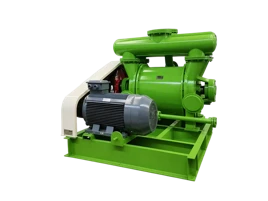
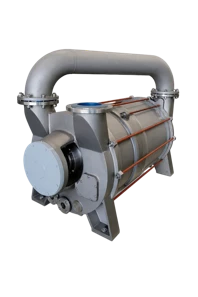
Solvent recovery pumps play a crucial role in various industrial processes, facilitating the efficient retrieval and reuse of solvents. As a trusted supplier of solvent recovery pumps, we understand the significance of extending the service life of these essential machines. Not only does it enhance cost - effectiveness, but it also ensures continuous and reliable operation in industrial settings. In this blog, we will explore several strategies that can be employed to maximize the lifespan of solvent recovery pumps.
Regular Maintenance and Inspection
One of the most fundamental steps in extending the service life of a solvent recovery pump is regular maintenance and inspection. This should include a comprehensive check of all components, such as the motor, impeller, seals, and valves.
Lubrication
Proper lubrication is vital for the smooth operation of the pump. Over time, lubricants can break down due to heat, contamination, or mechanical stress. Therefore, it is essential to follow the manufacturer's guidelines regarding lubricant type, quantity, and replacement intervals. Regularly checking the lubricant level and quality can prevent premature wear and tear of moving parts. For instance, if the lubricant becomes dirty or loses its viscosity, it should be replaced immediately to avoid increased friction and potential damage to the pump.
Seal Inspection
The seals in a solvent recovery pump prevent leakage of solvents and ensure that the pump operates efficiently. Seals can wear out over time, especially when exposed to harsh chemicals or high - pressure environments. Regular inspection of seals for signs of damage, such as cracks, tears, or leaks, is necessary. If any issues are detected, the seals should be replaced promptly to prevent solvent leakage, which can not only lead to product loss but also damage the pump and surrounding equipment.
Valve and Pipework Inspection
Valves and pipework are integral parts of the solvent recovery system. Blockages, corrosion, or improper functioning of valves can disrupt the flow of solvents and put additional stress on the pump. Regularly inspecting valves for proper operation and pipework for signs of corrosion or blockages can help identify and address potential problems before they cause significant damage. Cleaning or replacing clogged valves and pipes can ensure a smooth and continuous flow of solvents through the pump.
Operating Conditions Management
The operating conditions of a solvent recovery pump have a significant impact on its service life. By carefully managing these conditions, we can minimize stress on the pump and extend its lifespan.
Temperature Control
Solvent recovery pumps often operate in environments where temperature can vary widely. High temperatures can cause thermal expansion of pump components, which can lead to misalignment and increased wear. On the other hand, extremely low temperatures can make the solvents more viscous, increasing the load on the pump. Maintaining a stable operating temperature within the recommended range for the pump is crucial. This may involve using cooling or heating systems as necessary. For example, in a hot industrial environment, installing a cooling system to keep the pump temperature within the optimal range can prevent overheating and extend its service life.
Pressure Regulation
Excessive pressure can put a tremendous strain on the pump's components, leading to premature failure. It is essential to monitor and regulate the pressure within the solvent recovery system. Pressure relief valves can be installed to prevent over - pressurization of the pump. These valves open automatically when the pressure exceeds a certain threshold, allowing excess pressure to be released safely. Additionally, proper sizing of the pump and the entire solvent recovery system can ensure that the pump operates within its designed pressure range, reducing the risk of damage due to over - pressurization.
Solvent Compatibility
The compatibility of solvents with the pump materials is another critical factor. Different solvents have different chemical properties, and some solvents may be corrosive or abrasive to certain pump materials. Before using a solvent recovery pump with a particular solvent, it is essential to ensure that the pump is made of materials that are resistant to the solvent. For example, if a solvent is highly corrosive, a pump made of corrosion - resistant materials such as stainless steel or special alloys should be used. Using incompatible solvents can lead to rapid degradation of pump components, reducing its service life.
Operator Training
Well - trained operators are essential for the proper operation and maintenance of solvent recovery pumps. Operators should be familiar with the pump's operating manual, safety procedures, and troubleshooting techniques.
Training on Proper Startup and Shutdown
Proper startup and shutdown procedures are crucial for the long - term health of the pump. Operators should be trained to follow the correct sequence of steps when starting and stopping the pump. For example, starting the pump without proper priming can cause cavitation, which can damage the impeller and other internal components. Similarly, sudden shutdowns can lead to water hammer effects, which can cause damage to the pump and pipework. By following the recommended startup and shutdown procedures, operators can minimize stress on the pump and extend its service life.
Troubleshooting Skills
Operators should be trained to recognize common problems with solvent recovery pumps and have the skills to troubleshoot and address these issues. This includes being able to identify abnormal noises, vibrations, or changes in pump performance. For example, if the pump starts making unusual noises, it could indicate a problem with the impeller or a loose component. Operators should know how to stop the pump safely and perform basic checks to diagnose the issue. In some cases, they may be able to make minor adjustments or repairs, while in other cases, they should be able to contact the appropriate maintenance personnel.
Upgrades and Replacements
As technology advances, upgrading certain components of a solvent recovery pump can improve its performance and extend its service life.
Component Upgrades
Some components of a solvent recovery pump may be upgraded to enhance its efficiency and durability. For example, upgrading the motor to a more energy - efficient model can not only reduce energy consumption but also provide more reliable power to the pump. Similarly, upgrading the impeller to a more advanced design can improve the pump's flow rate and efficiency. When considering component upgrades, it is important to ensure that the new components are compatible with the existing pump and system.


System Modernization
In some cases, modernizing the entire solvent recovery system can be beneficial. This may involve replacing outdated equipment with newer, more advanced models. For example, upgrading to a ZJQ Gas circulation - cooled Roots Pump, NZJP Multistage Roots Vacuum Pump, or VDP Dry Screw Vacuum Pump can offer improved performance, energy efficiency, and reliability. These modern pumps are designed with advanced technologies that can better handle different solvents and operating conditions, thereby extending the overall service life of the solvent recovery system.
Monitoring and Data Analysis
Implementing a monitoring system for the solvent recovery pump can provide valuable insights into its performance and help predict potential problems.
Performance Monitoring
Using sensors to monitor key performance parameters of the pump, such as flow rate, pressure, temperature, and power consumption, can help detect any deviations from normal operating conditions. By continuously monitoring these parameters, operators can identify trends and potential issues early on. For example, a sudden increase in power consumption may indicate a problem with the pump's efficiency or a mechanical issue. Analyzing performance data over time can also help determine when maintenance or component replacement is necessary.
Predictive Maintenance
Based on the data collected from performance monitoring, predictive maintenance techniques can be employed. These techniques use algorithms and historical data to predict when a component is likely to fail. By performing maintenance or replacement of components before they fail, unplanned downtime can be minimized, and the service life of the pump can be extended. For instance, if the data shows that a particular bearing is approaching the end of its expected lifespan, it can be replaced during a scheduled maintenance period, avoiding a costly and unexpected breakdown.
Conclusion
Extending the service life of a solvent recovery pump requires a comprehensive approach that includes regular maintenance, proper management of operating conditions, operator training, upgrades, and monitoring. By implementing these strategies, industrial users can ensure that their solvent recovery pumps operate efficiently and reliably for an extended period. As a leading supplier of solvent recovery pumps, we are committed to providing high - quality products and expert advice to help our customers maximize the lifespan of their pumps. If you are interested in learning more about our solvent recovery pumps or need assistance with extending the service life of your existing pumps, please do not hesitate to contact us for procurement and further discussions.
References
- Pump Handbook, Karassik, I. J., Messina, J. P., Cooper, P. T., & Heald, C. C.
- Industrial Solvent Recovery: Principles and Practice, Smith, A. B.