Vibration is an often - overlooked factor in the operation of vacuum systems. As a vacuum system supplier, I have witnessed firsthand how vibration can significantly impact the performance, reliability, and lifespan of these complex systems. In this blog, I will delve into the various aspects of how vibration affects a vacuum system and why it is crucial to address this issue.
1. Impact on System Performance
1.1 Pressure Stability
One of the primary functions of a vacuum system is to maintain a stable pressure within the chamber. Vibration can disrupt this stability. When a vacuum pump or other components vibrate, it can cause fluctuations in the flow of gas molecules within the system. These fluctuations lead to pressure variations, which are particularly problematic in applications where precise pressure control is required, such as in semiconductor manufacturing or analytical instrumentation.
For instance, in a semiconductor fabrication process, even a slight pressure change can result in defects in the microchips being produced. The vibration - induced pressure instability can cause inconsistent deposition of thin films or improper etching, leading to lower - quality products and increased production costs.
1.2 Pumping Efficiency
Vibration can also reduce the pumping efficiency of a vacuum system. Most vacuum pumps rely on precise mechanical movements to create the necessary pressure differentials for gas removal. Excessive vibration can misalign the internal components of the pump, such as the rotors in a Roots pump or the vanes in a rotary vane pump. This misalignment increases friction and wear, reducing the pump's ability to move gas effectively.
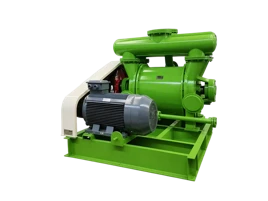
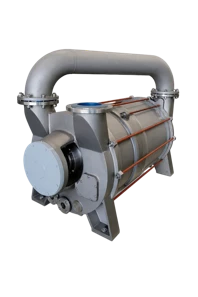
A misaligned rotor in a JZJ2B Roots - liquid Ring Vacuum System may not be able to create the optimal seal, allowing gas to leak back into the system. As a result, the pump has to work harder to achieve the desired vacuum level, consuming more energy and potentially overheating.
2. Impact on System Reliability
2.1 Component Wear and Tear
Vibration is a major contributor to component wear in a vacuum system. The constant shaking can cause mechanical parts to rub against each other more vigorously than normal, leading to accelerated wear. For example, the bearings in a vacuum pump are designed to support the rotating shafts with minimal friction. However, vibration can cause the bearings to experience uneven loads, leading to premature failure.


In addition, vibration can also cause fatigue in the metal components of the system. Over time, the repeated stress from vibration can create small cracks in the housing or other structural parts. These cracks can grow and eventually lead to catastrophic failure of the component, resulting in system downtime and costly repairs.
2.2 Seal Integrity
Seals play a crucial role in maintaining the vacuum integrity of a system. Vibration can compromise the effectiveness of these seals. O - rings and gaskets are commonly used to prevent gas leakage between different parts of the vacuum system. However, vibration can cause these seals to shift or deform, creating gaps through which gas can escape.
A faulty seal in a JZJD Roots - screw Vacuum System can not only reduce the vacuum level but also allow contaminants to enter the system. This can contaminate the process being carried out in the vacuum chamber and damage sensitive equipment.
3. Impact on System Lifespan
3.1 Overall System Degradation
The cumulative effects of vibration on system performance and reliability ultimately lead to a shorter lifespan of the vacuum system. As components wear out more quickly and seals fail, the system becomes less efficient and more prone to breakdowns. This means that the system will need to be replaced or undergo major repairs more frequently than a well - maintained, vibration - free system.
For industrial applications, where vacuum systems are often in continuous operation, a shorter lifespan can have a significant financial impact. The cost of purchasing new equipment, as well as the loss of production during downtime, can be substantial.
3.2 Maintenance Requirements
Vibration also increases the maintenance requirements of a vacuum system. More frequent inspections are needed to detect early signs of wear and damage caused by vibration. Components may need to be replaced more often, and alignment checks and adjustments become a regular part of the maintenance schedule.
This not only increases the cost of maintenance but also requires more skilled technicians to perform the work. In some cases, the complexity of maintaining a vibration - affected system may even lead to a delay in maintenance, further exacerbating the problems.
4. Mitigating the Impact of Vibration
4.1 Proper Installation
Proper installation is the first step in reducing the impact of vibration on a vacuum system. The system should be installed on a stable and level surface to minimize the transmission of vibration. Anti - vibration mounts can be used to isolate the vacuum pump and other components from the surrounding environment. These mounts absorb and dampen the vibrations, preventing them from spreading to other parts of the system.
4.2 Regular Maintenance
Regular maintenance is essential for detecting and addressing vibration - related issues early. This includes checking the alignment of components, tightening loose bolts, and replacing worn - out parts. Lubrication of moving parts should also be carried out according to the manufacturer's recommendations to reduce friction and wear.
4.3 Customized Solutions
In some cases, a Customized Vacuum System may be the best solution to minimize the impact of vibration. A customized system can be designed to meet the specific requirements of the application, taking into account factors such as the operating environment and the level of vibration. This may involve using special materials or design features to reduce vibration and improve the overall performance and reliability of the system.
5. Conclusion
Vibration can have a profound impact on the performance, reliability, and lifespan of a vacuum system. As a vacuum system supplier, I understand the importance of addressing this issue to ensure that our customers get the most out of their equipment. By taking steps to mitigate the impact of vibration, such as proper installation, regular maintenance, and the use of customized solutions, we can help our customers avoid costly breakdowns and improve the efficiency of their operations.
If you are facing vibration - related issues with your vacuum system or are in the market for a new vacuum system, I encourage you to contact us for a consultation. Our team of experts can provide you with the best solutions tailored to your specific needs. Let's work together to optimize your vacuum system and enhance your productivity.
References
- "Vacuum Technology Handbook" by Peter F. O'Hanlon
- "Fundamentals of Vacuum Physics" by John F. O'Hanlon
- Industry reports on vacuum system performance and reliability