What is the noise level of a large vacuum pump?
As a reputable supplier of large vacuum pumps, I often encounter inquiries from customers about the noise levels associated with these powerful machines. Understanding the noise level of a large vacuum pump is crucial, not only for ensuring a comfortable working environment but also for compliance with safety and environmental regulations. In this blog post, I will delve into the factors that influence the noise level of large vacuum pumps, typical noise levels, and how we, as a supplier, address noise concerns.
Factors Influencing the Noise Level of Large Vacuum Pumps
The noise generated by a large vacuum pump is the result of several factors, each contributing to the overall sound profile of the machine.
- Mechanical Vibration: One of the primary sources of noise in a vacuum pump is mechanical vibration. As the pump's internal components, such as the motor, impeller, and gears, rotate and move, they generate vibrations that are transmitted through the pump's structure and into the surrounding environment. These vibrations can produce a wide range of frequencies, from low rumbles to high-pitched whines.
- Fluid Flow: The movement of fluids, such as air or liquid, within the pump can also create noise. As the fluid is compressed, expanded, or forced through narrow passages, it can cause turbulence and pressure fluctuations, resulting in audible noise. The design of the pump's flow paths, including the size and shape of the inlet and outlet ports, can significantly affect the noise generated by fluid flow.
- Operating Speed: The speed at which the vacuum pump operates plays a significant role in determining its noise level. Generally, higher operating speeds result in increased noise levels, as the mechanical components and fluid flow are more dynamic. However, some pumps are designed to operate at variable speeds, allowing users to adjust the speed based on their specific requirements, which can help reduce noise when lower vacuum levels are sufficient.
- Design and Construction: The design and construction of the vacuum pump can have a profound impact on its noise level. Pumps with well-designed enclosures, vibration isolation mounts, and noise-reducing materials can significantly reduce the amount of noise that is emitted. Additionally, the quality of the components used in the pump's construction, such as the bearings and seals, can also affect its noise performance.
Typical Noise Levels of Large Vacuum Pumps
The noise level of a large vacuum pump can vary widely depending on the type, size, and operating conditions of the pump. However, to give you a general idea, I will provide some typical noise level ranges for different types of large vacuum pumps.
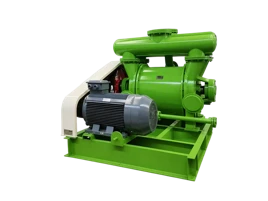
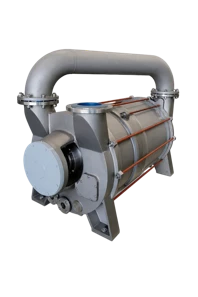
- Liquid Ring Vacuum Pumps: Liquid ring vacuum pumps are commonly used in industrial applications due to their reliability and ability to handle wet or dirty gases. These pumps typically have noise levels ranging from 70 to 90 decibels (dB(A)) at a distance of 1 meter from the pump. The 2BE1 Liquid Ring Vacuum Pump, 2BV Liquid Ring Vacuum Pump, and 2BE3 Large Liquid Ring Vacuum Pump are examples of liquid ring vacuum pumps that offer reliable performance with relatively low noise levels.
- Rotary Vane Vacuum Pumps: Rotary vane vacuum pumps are known for their high vacuum levels and efficient operation. These pumps typically have noise levels ranging from 65 to 85 dB(A) at a distance of 1 meter from the pump. However, the noise level can increase significantly if the pump is operating at high speeds or under heavy loads.
- Roots Blowers: Roots blowers are often used in conjunction with other vacuum pumps to increase the pumping speed and achieve higher vacuum levels. These pumps typically have noise levels ranging from 80 to 100 dB(A) at a distance of 1 meter from the pump. Due to their relatively high noise levels, Roots blowers are often installed in separate enclosures or soundproof rooms to minimize the impact on the surrounding environment.
Addressing Noise Concerns
At our company, we understand the importance of minimizing the noise levels of our large vacuum pumps. To address this concern, we have implemented several measures in our pump design and manufacturing process.


- Noise-Reducing Design: Our engineers use advanced design techniques to minimize the noise generated by our vacuum pumps. This includes optimizing the flow paths, reducing mechanical vibrations, and using noise-reducing materials in the pump's construction. For example, we use vibration isolation mounts to decouple the pump from the floor or other supporting structures, which helps reduce the transmission of vibrations and noise.
- Enclosures and Soundproofing: We offer a range of enclosures and soundproofing options for our vacuum pumps. These enclosures are designed to reduce the noise level by up to 20 dB(A), making them suitable for use in noise-sensitive environments. Additionally, we can customize the enclosures to meet the specific requirements of our customers, such as providing access doors for maintenance and inspection.
- Variable Speed Drives: Many of our vacuum pumps are equipped with variable speed drives, which allow users to adjust the operating speed of the pump based on their specific requirements. By reducing the operating speed, the noise level of the pump can be significantly reduced, especially when lower vacuum levels are sufficient. This not only helps reduce noise but also saves energy and extends the lifespan of the pump.
- Regular Maintenance: Proper maintenance is essential for ensuring the optimal performance and noise level of our vacuum pumps. We recommend regular inspection and maintenance of the pump, including checking the lubrication levels, replacing worn components, and cleaning the pump's internal parts. By keeping the pump in good working condition, we can help minimize the noise level and prevent potential problems from occurring.
Conclusion
The noise level of a large vacuum pump is influenced by several factors, including mechanical vibration, fluid flow, operating speed, and design and construction. While the noise level can vary widely depending on the type and size of the pump, we, as a supplier, are committed to minimizing the noise levels of our products. By using advanced design techniques, offering enclosures and soundproofing options, and providing variable speed drives, we can help our customers achieve a comfortable working environment while still enjoying the benefits of our high-performance vacuum pumps.
If you are interested in learning more about our large vacuum pumps or have any questions about their noise levels, please do not hesitate to contact us. Our team of experts is available to provide you with detailed information and assist you in selecting the right pump for your specific application. We look forward to the opportunity to work with you and help you find the perfect vacuum pump solution for your needs.
References
- ASHRAE Handbook - Fundamentals. American Society of Heating, Refrigerating and Air-Conditioning Engineers.
- ISO 3744:2010 Acoustics - Determination of sound power levels of noise sources using sound pressure - Engineering method in an essentially free field over a reflecting plane. International Organization for Standardization.
- VDI 2058:2017 Noise immission calculation - Calculation of noise immission from industrial plants and other noise sources. Verein Deutscher Ingenieure.