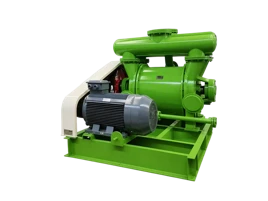
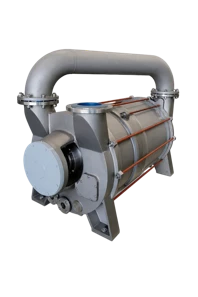
As a trusted supplier of belt driven vacuum pumps, I understand the critical role that proper storage conditions play in maintaining the performance and longevity of these essential pieces of equipment. Belt driven vacuum pumps are widely used in various industries, including manufacturing, chemical processing, and food packaging, to create and maintain a vacuum environment. Ensuring that these pumps are stored correctly is not only important for their operational efficiency but also for minimizing the risk of damage and costly repairs.
Temperature and Humidity Control
One of the most important factors to consider when storing a belt driven vacuum pump is the temperature and humidity of the storage environment. Extreme temperatures can have a significant impact on the pump's components, causing them to expand or contract, which can lead to misalignment and premature wear. High humidity levels can also cause corrosion and rust, which can damage the pump's internal parts and reduce its performance.
Ideally, belt driven vacuum pumps should be stored in a temperature-controlled environment with a temperature range between 10°C and 30°C (50°F and 86°F). This temperature range helps to prevent the expansion and contraction of the pump's components, ensuring that they remain in good working condition. Additionally, the relative humidity in the storage area should be kept below 60% to prevent corrosion and rust.
If the storage environment cannot be maintained within these parameters, additional measures may be necessary to protect the pump. For example, using a dehumidifier can help to reduce the humidity levels in the storage area, while insulating the pump can help to protect it from extreme temperatures.
Protection from Dust and Debris
Dust and debris can also have a negative impact on the performance of a belt driven vacuum pump. When dust and debris enter the pump, they can cause abrasion and damage to the internal components, leading to reduced efficiency and increased wear. To prevent this from happening, it is important to store the pump in a clean and dust-free environment.
Before storing the pump, it should be thoroughly cleaned to remove any dirt, dust, or debris that may have accumulated on its surface. This can be done using a soft brush or a compressed air gun. Once the pump is clean, it should be covered with a protective cover to prevent dust and debris from entering the pump.
Proper Support and Positioning
When storing a belt driven vacuum pump, it is important to ensure that it is properly supported and positioned. The pump should be placed on a flat and stable surface to prevent it from tipping over or being damaged. Additionally, the pump should be positioned in a way that allows for proper ventilation and access to the maintenance points.
If the pump is to be stored for an extended period of time, it may be necessary to support the pump using a stand or a cradle. This helps to prevent the pump from sagging or being damaged due to its own weight. When using a stand or a cradle, it is important to ensure that it is properly sized and designed to support the weight of the pump.
Lubrication and Maintenance
Proper lubrication is essential for the smooth operation of a belt driven vacuum pump. When the pump is stored for an extended period of time, the lubricant can dry out or become contaminated, which can cause the pump to seize up or experience other problems. To prevent this from happening, it is important to lubricate the pump before storing it.
Before lubricating the pump, it is important to refer to the manufacturer's instructions to determine the appropriate type and amount of lubricant to use. Once the lubricant has been applied, the pump should be run for a few minutes to ensure that the lubricant is evenly distributed throughout the pump.
In addition to lubrication, it is also important to perform regular maintenance on the pump before and after storage. This includes checking the belts, bearings, and other components for wear and tear, and replacing any parts that are damaged or worn. By performing regular maintenance, you can help to ensure that the pump remains in good working condition and is ready to use when needed.
Battery and Electrical Components
If the belt driven vacuum pump is equipped with a battery or other electrical components, special care should be taken when storing these components. Batteries can lose their charge over time, especially if they are not used regularly. To prevent this from happening, the battery should be removed from the pump and stored separately in a cool and dry place.
Before storing the battery, it should be fully charged and then disconnected from the pump. The battery should also be checked regularly to ensure that it is maintaining its charge. If the battery is not used for an extended period of time, it may need to be recharged to prevent it from losing its capacity.
In addition to the battery, other electrical components, such as the motor and the control panel, should also be protected from moisture and dust. This can be done by covering the components with a protective cover or by storing them in a sealed container.
Documentation and Record Keeping
Finally, it is important to keep accurate documentation and records of the belt driven vacuum pump's storage and maintenance. This includes recording the date of storage, the storage conditions, and any maintenance or repairs that have been performed on the pump. By keeping accurate records, you can track the history of the pump and ensure that it is properly maintained and serviced.
In addition to the storage and maintenance records, it is also important to keep a copy of the pump's manual and other documentation. This documentation can be useful for troubleshooting and maintenance purposes, and it can also help to ensure that the pump is used and maintained correctly.
Conclusion
Proper storage conditions are essential for maintaining the performance and longevity of a belt driven vacuum pump. By following the guidelines outlined in this blog post, you can help to ensure that your pump remains in good working condition and is ready to use when needed. Remember to store the pump in a temperature-controlled environment, protect it from dust and debris, ensure proper support and positioning, lubricate and maintain the pump, and keep accurate documentation and records.
At [Our Company], we offer a wide range of belt driven vacuum pumps, including the 2BE3 Large Liquid Ring Vacuum Pump, 2BV Liquid Ring Vacuum Pump, and 2BE1 Liquid Ring Vacuum Pump. Our pumps are designed to meet the highest standards of quality and performance, and we are committed to providing our customers with the best possible products and services.
If you are interested in purchasing a belt driven vacuum pump or have any questions about the storage and maintenance of these pumps, please contact us. Our team of experts is available to answer your questions and help you find the right pump for your needs.


References
- Manufacturer's manuals for belt driven vacuum pumps
- Industry standards and guidelines for the storage and maintenance of vacuum pumps