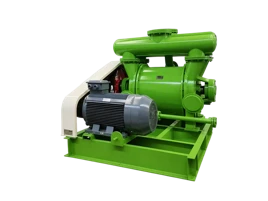
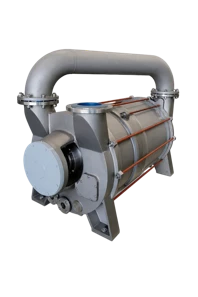
A water suction vacuum pump, also known as a liquid ring vacuum pump, is a type of vacuum pump that uses a liquid, typically water, to create a seal and generate a vacuum. These pumps are widely used in various industries, including chemical, pharmaceutical, food and beverage, and power generation, due to their reliability, simplicity, and ability to handle wet and corrosive gases. In this blog, we will explore the pressure range of a water suction vacuum pump and how it affects the performance of the pump.
Understanding Vacuum Pressure
Before delving into the pressure range of a water suction vacuum pump, it's essential to understand the concept of vacuum pressure. Vacuum pressure is measured relative to atmospheric pressure, which is approximately 101.325 kPa (14.7 psi) at sea level. A perfect vacuum, where there is no gas present, would have a pressure of 0 kPa (0 psi). However, achieving a perfect vacuum is extremely difficult, if not impossible, in practical applications.
Vacuum pressure is commonly expressed in different units, including kilopascals (kPa), millibars (mbar), inches of mercury (inHg), and torr. One kilopascal is equal to 10 mbar, 0.2953 inHg, and 7.5006 torr. Understanding these units is crucial when discussing the pressure range of a water suction vacuum pump, as different industries and applications may use different units of measurement.


Pressure Range of a Water Suction Vacuum Pump
The pressure range of a water suction vacuum pump can vary depending on several factors, including the design of the pump, the type of liquid used, and the operating conditions. Generally, water suction vacuum pumps can achieve vacuum pressures ranging from atmospheric pressure (101.325 kPa or 0 kPa gauge) down to approximately 33 mbar (0.33 kPa or 25 torr) absolute pressure.
Atmospheric pressure represents the starting point for the vacuum generation process. As the pump operates, it removes air and other gases from the system, creating a partial vacuum. The pressure within the system gradually decreases until it reaches the minimum pressure that the pump can achieve.
The minimum pressure that a water suction vacuum pump can reach is limited by several factors. One of the primary factors is the vapor pressure of the liquid used in the pump. Water, which is the most commonly used liquid in water suction vacuum pumps, has a vapor pressure of approximately 33 mbar at 20°C (68°F). This means that at this temperature, the lowest pressure that the pump can achieve is limited to approximately 33 mbar absolute pressure. If the temperature of the water increases, the vapor pressure also increases, which further limits the minimum pressure that the pump can reach.
Another factor that affects the pressure range of a water suction vacuum pump is the design and efficiency of the pump. Pumps with a more efficient design and better sealing can achieve lower vacuum pressures. Additionally, the size and capacity of the pump can also impact its pressure range. Larger pumps with higher capacity can generally achieve lower vacuum pressures compared to smaller pumps.
Applications and Pressure Requirements
The pressure range of a water suction vacuum pump makes it suitable for a wide range of applications. Some common applications and their typical pressure requirements are as follows:
- Chemical and Pharmaceutical Industries: In these industries, water suction vacuum pumps are used for processes such as distillation, evaporation, and drying. These processes typically require vacuum pressures in the range of 100 mbar to 1 mbar absolute pressure. For example, 2BV Liquid Ring Vacuum Pump is a popular choice for such applications due to its reliable performance and ability to handle corrosive gases.
- Food and Beverage Industry: Water suction vacuum pumps are used in the food and beverage industry for processes such as packaging, degassing, and vacuum cooling. These processes typically require vacuum pressures in the range of 500 mbar to 100 mbar absolute pressure. The 2BED 2 Stage Liquid Ring Vacuum Pump is well-suited for these applications as it can provide the necessary vacuum levels efficiently.
- Power Generation Industry: In power generation plants, water suction vacuum pumps are used for condenser evacuation and other processes. These processes typically require vacuum pressures in the range of 100 mbar to 10 mbar absolute pressure. The 2BE1 Liquid Ring Vacuum Pump is often used in power generation applications due to its high capacity and ability to operate under demanding conditions.
Selecting the Right Pump for Your Application
When selecting a water suction vacuum pump for your application, it's important to consider the required pressure range, the flow rate, and the nature of the gases or vapors being handled. Here are some key points to keep in mind:
- Determine the Required Pressure Range: Identify the minimum and maximum vacuum pressures required for your application. This will help you narrow down your options and select a pump that can meet your specific needs.
- Consider the Flow Rate: The flow rate of the pump is also an important factor to consider. The flow rate refers to the volume of gas or vapor that the pump can remove from the system per unit of time. Make sure to select a pump with a flow rate that is sufficient for your application.
- Evaluate the Nature of the Gases or Vapors: If your application involves handling corrosive or explosive gases or vapors, you need to select a pump that is designed to handle these substances safely. Look for pumps with corrosion-resistant materials and appropriate safety features.
Contact Us for Your Vacuum Pump Needs
As a leading supplier of water suction vacuum pumps, we understand the importance of selecting the right pump for your application. Our team of experts can help you determine the most suitable pump based on your specific requirements. Whether you need a 2BV Liquid Ring Vacuum Pump, a 2BED 2 Stage Liquid Ring Vacuum Pump, or a 2BE1 Liquid Ring Vacuum Pump, we have the expertise and products to meet your needs.
If you have any questions or would like to discuss your vacuum pump requirements in more detail, please feel free to contact us. We are committed to providing high-quality products and excellent customer service. Let us help you find the perfect water suction vacuum pump for your application.
References
- Perry, R. H., & Green, D. W. (Eds.). (1997). Perry's Chemical Engineers' Handbook (7th ed.). McGraw-Hill.
- Faires, V. M., & Duley, W. W. (1981). Vacuum Technology. Wiley-Interscience.