As a supplier of large vacuum pumps, I often encounter inquiries regarding the resistance to chemical substances of our products. Understanding the chemical resistance of a large vacuum pump is crucial, especially in industries where the pumps are exposed to various corrosive or reactive chemicals. In this blog, I will delve into the factors that affect the chemical resistance of large vacuum pumps, the materials commonly used to enhance this resistance, and how our specific models perform in different chemical environments.
Factors Affecting Chemical Resistance
The chemical resistance of a large vacuum pump is influenced by several factors. First and foremost is the nature of the chemicals it comes into contact with. Different chemicals have varying degrees of reactivity and corrosiveness. For example, strong acids like sulfuric acid and hydrochloric acid are highly corrosive and can quickly damage pump components if the pump is not properly protected. On the other hand, some organic solvents may dissolve certain materials used in the pump, leading to mechanical failure or reduced performance.
The concentration of the chemicals also plays a significant role. Higher concentrations of corrosive chemicals generally pose a greater threat to the pump's integrity. Additionally, the temperature and pressure conditions under which the pump operates can affect its chemical resistance. Elevated temperatures can accelerate chemical reactions, increasing the rate of corrosion or material degradation. Similarly, high pressures can force chemicals into small crevices and pores in the pump materials, causing more extensive damage.
Another important factor is the duration of exposure. Continuous or long - term exposure to chemicals will naturally have a more severe impact on the pump compared to short - term or intermittent exposure. This is why it is essential to select a vacuum pump with appropriate chemical resistance based on the specific operating conditions of the application.
Materials for Chemical Resistance
To enhance the chemical resistance of large vacuum pumps, various materials are used in their construction. One of the most common materials is stainless steel. Stainless steel is known for its excellent corrosion resistance, especially against many acids, alkalis, and salts. It contains chromium, which forms a passive oxide layer on the surface, protecting the underlying metal from further corrosion. Our pumps often incorporate stainless steel components in areas that are most likely to come into contact with chemicals, such as the impeller, casing, and shaft.
Another material used is cast iron with special coatings. Cast iron is a strong and durable material, but it is susceptible to corrosion. However, by applying chemical - resistant coatings, such as epoxy or polyurethane, the cast iron components can be protected from chemical attack. These coatings act as a barrier between the metal and the chemicals, preventing direct contact and corrosion.
For applications where extreme chemical resistance is required, materials like ceramic or plastic may be used. Ceramic materials are highly resistant to acids, alkalis, and abrasion. They can withstand high temperatures and are often used in the construction of pump internals, such as the impeller and the diffuser. Plastic materials, such as polyvinyl chloride (PVC), polypropylene (PP), and polytetrafluoroethylene (PTFE), are also popular due to their excellent chemical resistance and low cost. PTFE, in particular, is known for its resistance to almost all chemicals and is often used as a sealing material in vacuum pumps.
Chemical Resistance of Our Specific Models
Let's take a look at how some of our specific large vacuum pump models perform in terms of chemical resistance.
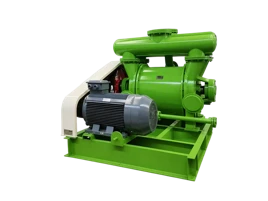
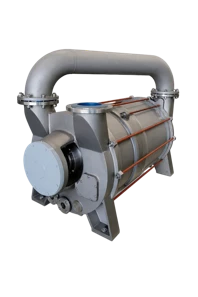
The 2BE3 Large Liquid Ring Vacuum Pump is designed for heavy - duty applications where chemical resistance is a key requirement. It features a robust stainless - steel impeller and casing, which provide excellent protection against a wide range of chemicals. The pump is suitable for use in industries such as chemical processing, pharmaceuticals, and food and beverage, where it may be exposed to acids, alkalis, and organic solvents. The liquid ring in this pump also helps to protect the internal components by acting as a buffer between the chemicals and the metal parts.
The 2BED 2 Stage Liquid Ring Vacuum Pump is another model that offers good chemical resistance. It has a two - stage design, which allows for higher vacuum levels and better performance in challenging applications. The pump's components are made from high - quality materials, including stainless steel and coated cast iron, to ensure long - term durability in the presence of chemicals. This pump is ideal for applications where the chemical environment is relatively complex, and a reliable vacuum source is needed.
The 2BE1 Liquid Ring Vacuum Pump is a more compact and cost - effective option. Despite its smaller size, it still offers good chemical resistance. It uses a combination of stainless - steel and plastic components to provide protection against chemicals. This pump is suitable for smaller - scale applications in industries such as electronics, printing, and packaging, where moderate chemical exposure is expected.
Selecting the Right Pump for Chemical Resistance
When selecting a large vacuum pump based on chemical resistance, it is important to consider the specific chemicals involved, their concentrations, temperature, pressure, and exposure duration. You should also consult with our technical experts, who can provide detailed information about the chemical resistance of each pump model and help you choose the most suitable one for your application.
We understand that every application is unique, and we are committed to providing customized solutions to meet your specific needs. Whether you need a pump for a highly corrosive chemical process or a less demanding application, we have the expertise and products to ensure reliable and efficient operation.


Conclusion
The resistance to chemical substances of a large vacuum pump is a critical factor in its performance and longevity, especially in industries where exposure to chemicals is common. By understanding the factors that affect chemical resistance, the materials used to enhance it, and the performance of our specific pump models, you can make an informed decision when selecting a vacuum pump for your application.
If you are in the market for a large vacuum pump with excellent chemical resistance, we invite you to contact us for a detailed discussion. Our team of experts is ready to assist you in choosing the right pump and providing all the necessary technical support. Let us work together to find the best solution for your vacuum pumping needs.
References
- "Handbook of Vacuum Technology" by O'Hanlon, J. F.
- "Corrosion Resistance of Engineering Materials" by Fontana, M. G.
- Technical data sheets of our large vacuum pump models.