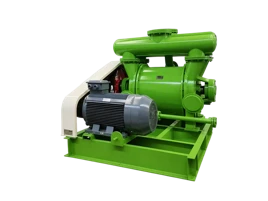
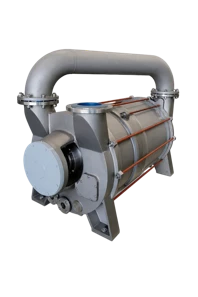
As a leading supplier of rotary liquid ring compressors, I understand the importance of proper installation to ensure the optimal performance and longevity of these essential industrial machines. In this blog post, I will delve into the key installation requirements for rotary liquid ring compressors, providing valuable insights for both new and experienced users.
1. Site Selection
The first step in installing a rotary liquid ring compressor is choosing the right site. The location should meet the following criteria:
a. Space Requirements
- The compressor needs sufficient space for installation, operation, and maintenance. There should be enough clearance around the unit to allow easy access to all components, including the suction and discharge pipes, cooling water connections, and electrical panels. A general rule of thumb is to provide at least 1 - 2 meters of clearance on all sides of the compressor.
- Additionally, the site should have enough headroom to accommodate the height of the compressor and any associated equipment, such as motors or separators.
b. Ventilation
- Adequate ventilation is crucial to prevent the build - up of heat and moisture around the compressor. The compressor generates heat during operation, and poor ventilation can lead to overheating, which may damage the components and reduce the efficiency of the machine.
- The installation area should have proper air intake and exhaust systems. For example, if the compressor is installed indoors, there should be vents or fans to ensure a continuous flow of fresh air. The ventilation rate should be calculated based on the heat generated by the compressor and the size of the installation area.
c. Foundation
- A solid and level foundation is essential to support the weight of the compressor and to minimize vibrations. The foundation should be made of reinforced concrete and should be designed to withstand the dynamic forces generated during the operation of the compressor.
- The surface of the foundation should be level within a tolerance of ± 3 mm per meter. This helps to ensure that the compressor is properly aligned and that the load is evenly distributed across the base.
d. Protection from the Elements
- If the compressor is installed outdoors, it should be protected from rain, snow, and direct sunlight. A shelter or enclosure can be built to shield the compressor from the elements. This not only protects the compressor from physical damage but also helps to maintain a stable operating environment.
2. Electrical Installation
Proper electrical installation is vital for the safe and efficient operation of the rotary liquid ring compressor.
a. Power Supply
- The compressor should be connected to a stable and appropriate power supply. The voltage, frequency, and phase of the power supply must match the specifications of the compressor motor. For example, most industrial compressors operate on three - phase power supplies.
- The electrical cables used for the connection should be of the correct size and type to handle the current load. Undersized cables can cause overheating and may lead to electrical failures.
b. Electrical Protection
- Over - current protection devices, such as circuit breakers or fuses, should be installed to protect the compressor motor from damage due to excessive current. These devices should be rated according to the motor's full - load current.
- Additionally, a grounding system should be installed to ensure the safety of the operators and to protect the equipment from electrical surges. The grounding conductor should be properly connected to the compressor frame and to a reliable earth ground.
c. Control Panel Installation
- The control panel of the compressor should be installed in a location that is easily accessible to the operators. It should be protected from dust, moisture, and mechanical damage.
- The wiring inside the control panel should be neatly arranged and labeled to facilitate troubleshooting and maintenance. All electrical connections should be tight and secure to prevent loose connections, which can cause electrical arcing and other problems.
3. Piping Installation
The piping system plays a crucial role in the operation of the rotary liquid ring compressor.
a. Suction and Discharge Piping
- The suction and discharge pipes should be properly sized to ensure the efficient flow of gas. The diameter of the pipes should be selected based on the flow rate and pressure requirements of the compressor.
- The pipes should be installed with a proper slope to prevent the accumulation of liquid in the pipes. For example, the suction pipe should slope towards the compressor to allow any condensate to drain into the compressor.
- The pipes should be securely supported to prevent vibration and movement. Pipe supports should be installed at regular intervals along the length of the pipes.
b. Cooling Water Piping
- Rotary liquid ring compressors require a cooling water supply to maintain the temperature of the liquid ring. The cooling water pipes should be connected to a reliable water source, such as a cooling tower or a municipal water supply.
- The pipes should be made of corrosion - resistant materials, such as stainless steel or PVC, to prevent rust and scale formation. The water flow rate and temperature should be monitored and controlled to ensure optimal cooling performance.
c. Seal and Gasket Installation
- Proper sealing of the piping connections is essential to prevent gas and liquid leaks. Seals and gaskets should be installed at all flanged connections. The seals should be made of materials that are compatible with the gas and liquid being handled by the compressor.
- For example, if the compressor is handling corrosive gases, the seals should be made of chemical - resistant materials such as Viton or Teflon.
4. Liquid Ring System Installation
The liquid ring is a critical component of the rotary liquid ring compressor.


a. Liquid Selection
- The liquid used in the liquid ring system should be compatible with the gas being compressed and should have good lubricating and cooling properties. Common liquids used include water, oil, and certain chemical solutions.
- The quality of the liquid should be maintained to prevent contamination and fouling of the compressor components. For example, if water is used as the liquid ring, it should be treated to remove impurities such as sediment, minerals, and bacteria.
b. Liquid Supply and Circulation
- The liquid supply system should be designed to provide a continuous and adequate supply of liquid to the compressor. The liquid should be circulated through the compressor at the correct flow rate to maintain the liquid ring.
- A liquid separator should be installed in the system to separate the liquid from the compressed gas. The separated liquid can then be recycled back to the compressor.
c. Level Control
- A level control device should be installed in the liquid reservoir to ensure that the liquid level in the compressor is maintained within the proper range. If the liquid level is too low, the compressor may not function properly, and if it is too high, it can cause excessive power consumption and damage to the compressor.
5. Commissioning and Testing
After the installation is complete, the rotary liquid ring compressor should be commissioned and tested to ensure that it is operating correctly.
a. Initial Inspection
- Before starting the compressor, a thorough inspection should be carried out to check for any loose connections, leaks, or damaged components. All electrical and piping connections should be re - checked to ensure that they are secure.
b. Lubrication and Fluid Filling
- If the compressor has lubrication points, they should be filled with the appropriate lubricant. The liquid ring system should be filled with the selected liquid to the correct level.
c. Test Run
- A test run should be conducted at a low speed to check the operation of the compressor. During the test run, the following parameters should be monitored:
- Temperature: The temperature of the compressor motor, bearings, and liquid should be within the normal operating range.
- Pressure: The suction and discharge pressures should be measured and compared with the design specifications.
- Vibration: The vibration level of the compressor should be checked to ensure that it is within the acceptable limits. Excessive vibration can indicate misalignment or other problems.
Our Product Offerings
At our company, we offer a wide range of high - quality rotary liquid ring compressors, including the Y Liquid Ring Compressor and the YE Liquid Ring Compressor. These compressors are designed to meet the diverse needs of different industries and applications.
If you are interested in purchasing a rotary liquid ring compressor or have any questions about installation or operation, please do not hesitate to contact us. Our team of experts is ready to provide you with professional advice and support to ensure that you get the most out of your compressor.
References
- Compressor Handbook, Second Edition, by Heinz P. Bloch and Fred K. Geitner
- Industrial Compressor Technology, by G. P. van Wingerden
- Standards for the Installation and Maintenance of Rotating Machinery, API 617