Hey there! As a supplier of solvent recovery pumps, I'm super excited to chat with you about the crucial role these pumps play in waste reduction. In today's world, where environmental sustainability is a hot topic, every little bit counts when it comes to minimizing waste and maximizing resource efficiency. Solvent recovery pumps are one of those unsung heroes that can make a huge difference in this regard.
First off, let's talk about what solvent recovery is all about. In many industrial processes, solvents are used to dissolve, dilute, or extract other substances. These solvents can be pretty expensive, and if they're just thrown away after use, it's not only a waste of money but also a major environmental concern. Solvent recovery is the process of separating and purifying used solvents so they can be reused. And that's where solvent recovery pumps come in.
A solvent recovery pump is designed to transfer solvents from one place to another during the recovery process. It helps move the used solvent from the process equipment to the recovery system, and then pumps the recovered solvent back into the production process. This not only saves money on buying new solvents but also reduces the amount of waste that needs to be disposed of.
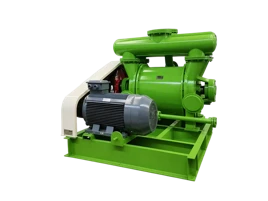
One of the key ways solvent recovery pumps contribute to waste reduction is by improving the efficiency of the solvent recovery process. By ensuring a smooth and continuous flow of solvents, these pumps help the recovery system operate at its best. This means more solvent can be recovered and reused, leaving less waste behind. For example, our NZJP Multistage Roots Vacuum Pump is specifically designed for high - efficiency solvent transfer. Its multistage design allows for better vacuum performance, which is crucial for separating solvents from other substances in the recovery process. This pump can handle large volumes of solvents quickly and efficiently, reducing the time and energy required for the recovery process.
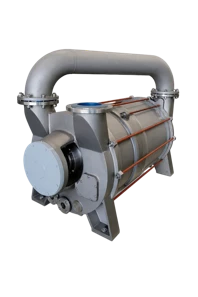
Another important aspect is the quality of the recovered solvent. A good solvent recovery pump helps maintain the integrity of the solvent during the transfer process. It prevents contamination and degradation of the solvent, which means the recovered solvent can be used again in the production process without any issues. Our NZJQ Multistage Gas circulation - cooled Roots Pump is a great example. It uses gas circulation cooling to keep the pump at an optimal temperature, which helps preserve the quality of the solvent being pumped. This way, more of the recovered solvent can meet the required quality standards for reuse, further reducing the need for new solvent purchases and waste generation.
Solvent recovery pumps also play a role in reducing the environmental impact of waste disposal. When solvents are not recovered, they often end up in landfills or are incinerated. Both of these methods have negative environmental consequences. Landfilling can lead to soil and groundwater contamination, while incineration releases harmful pollutants into the atmosphere. By enabling solvent recovery, these pumps help keep solvents out of the waste stream and reduce the associated environmental risks.
In addition to waste reduction, solvent recovery pumps can also improve the overall safety of the industrial process. Many solvents are flammable, toxic, or otherwise hazardous. By using a well - designed pump to handle these solvents, the risk of spills and leaks is minimized. This protects workers from exposure to dangerous chemicals and reduces the potential for environmental accidents. Our ZJP Roots Vacuum Pump is built with safety in mind. It has a robust construction and advanced sealing technology to prevent leaks, ensuring a safe working environment.
Now, let's talk about the economic benefits. As I mentioned earlier, reusing recovered solvents saves money on purchasing new solvents. But the savings don't stop there. There are also cost savings associated with waste disposal. Disposing of hazardous waste can be extremely expensive, and by reducing the amount of solvent waste, companies can significantly cut down on these costs. In the long run, investing in a high - quality solvent recovery pump can lead to substantial financial savings for businesses.
When it comes to choosing a solvent recovery pump, there are a few things to consider. First, you need to think about the type of solvent you're working with. Different solvents have different properties, such as viscosity, volatility, and chemical reactivity. You'll need a pump that can handle the specific characteristics of your solvent. Second, consider the flow rate and pressure requirements of your recovery system. The pump should be able to provide the necessary flow and pressure to ensure efficient operation. And of course, reliability and durability are important. You want a pump that will last and require minimal maintenance.
At our company, we understand these requirements and offer a wide range of solvent recovery pumps to meet different needs. Our pumps are designed and manufactured to the highest standards, using the latest technology and high - quality materials. We also provide excellent customer support to help you choose the right pump for your application and ensure it operates smoothly.
If you're interested in learning more about how our solvent recovery pumps can help your business reduce waste and save money, we'd love to hear from you. Whether you're in the chemical industry, pharmaceuticals, or any other sector that uses solvents, we have a solution for you. Contact us to start a conversation about your solvent recovery needs and let's work together to make your operations more sustainable and cost - effective.


References
- "Industrial Solvent Recovery: Principles and Practice" - A comprehensive guide on solvent recovery processes and equipment.
- "Handbook of Chemical Engineering" - Contains detailed information on fluid handling and pumping systems, relevant to solvent recovery pumps.
- "Environmental Impact of Industrial Waste Disposal" - Discusses the importance of waste reduction in industrial processes, including solvent recovery.