Hey there! As a supplier of high flow vacuum pumps, I know how crucial it is to have these pumps calibrated correctly. A well - calibrated high flow vacuum pump can significantly improve its performance, efficiency, and lifespan. In this blog, I'm going to walk you through the steps of calibrating a high flow vacuum pump.
Understanding High Flow Vacuum Pumps
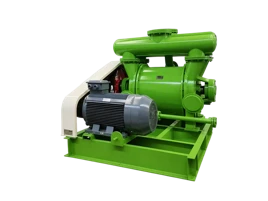
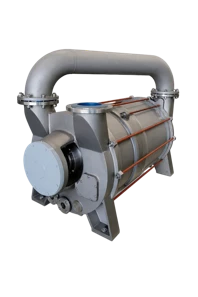
Before we dive into calibration, let's quickly understand what high flow vacuum pumps are. These pumps are designed to move large volumes of gas or air out of a system to create a vacuum. They're used in a wide range of industries, from chemical processing to food packaging. We offer a variety of high - flow vacuum pumps, like the 2BV Liquid Ring Vacuum Pump, 2BED 2 Stage Liquid Ring Vacuum Pump, and 2BE3 Large Liquid Ring Vacuum Pump. Each of these pumps has its own unique features and is suitable for different applications.
Why Calibration is Important
Calibrating your high flow vacuum pump is not just a good - to - have; it's a must - do. When a pump is calibrated, it ensures that it operates at its optimal performance level. This means better energy efficiency, which can save you a ton of money on electricity bills in the long run. It also helps in maintaining a consistent vacuum level, which is crucial for processes that require a stable environment. Moreover, proper calibration can prevent premature wear and tear of the pump components, reducing the need for frequent repairs and replacements.
Pre - calibration Checks
Before you start the actual calibration process, there are a few checks you need to do. First, inspect the pump for any visible damage or wear. Look for leaks in the pipes, hoses, and connections. A leak can affect the vacuum level and make the calibration process inaccurate. Check the oil level if your pump uses oil for lubrication. Low oil levels can cause overheating and damage to the pump. Also, make sure the power supply to the pump is stable. Fluctuations in power can lead to inconsistent pump performance.
Tools You'll Need
To calibrate a high flow vacuum pump, you'll need some basic tools. A vacuum gauge is essential as it measures the vacuum level in the system. You'll also need a screwdriver or wrench to make any necessary adjustments to the pump. Some pumps may require a specialized calibration tool, so it's a good idea to check the pump's manual.
Step - by - Step Calibration Process
Step 1: Set Up the Vacuum Gauge
Connect the vacuum gauge to the pump system. Make sure the connection is tight to avoid any air leaks. The vacuum gauge will give you an accurate reading of the vacuum level inside the pump.
Step 2: Start the Pump
Turn on the pump and let it run for a few minutes to reach a stable operating condition. During this time, observe the vacuum gauge reading. If the reading is not within the expected range, it's time to make some adjustments.


Step 3: Adjust the Vacuum Level
Most high flow vacuum pumps have an adjustment mechanism to control the vacuum level. This could be a valve or a screw. Using the appropriate tool, start making small adjustments to the mechanism. Keep an eye on the vacuum gauge as you make these adjustments. Slowly increase or decrease the vacuum level until it reaches the desired value.
Step 4: Check for Stability
Once you've set the vacuum level, let the pump run for another 10 - 15 minutes. Continuously monitor the vacuum gauge to ensure that the level remains stable. If the reading fluctuates, you may need to make further adjustments.
Step 5: Perform a Leak Test
After the pump has been running at the calibrated vacuum level, perform a leak test. You can use a leak detector or a simple method like applying a soapy solution to the connections. If you see bubbles forming, there's a leak that needs to be fixed.
Post - calibration Checks
Once the calibration is complete, it's important to do a few post - calibration checks. Check the pump's performance under different operating conditions. Run the pump at full load and half - load to see how it responds. Also, check the temperature of the pump. An overheating pump could indicate a problem with the calibration or other issues.
Troubleshooting Common Calibration Issues
Sometimes, you may encounter some issues during the calibration process. If the vacuum level is not reaching the desired value, it could be due to a leak in the system. Check all the connections and seals for leaks and repair them if necessary. If the pump is making unusual noises, it could be a sign of a mechanical problem. In this case, it's best to contact a professional technician.
Regular Maintenance and Re - calibration
Calibration is not a one - time thing. To keep your high flow vacuum pump in top condition, it's important to perform regular maintenance and re - calibration. The frequency of re - calibration depends on the usage and the environment in which the pump operates. As a general rule, it's a good idea to re - calibrate the pump at least once a year.
Conclusion
Calibrating a high flow vacuum pump is a crucial process that can improve the pump's performance, efficiency, and lifespan. By following the steps outlined in this blog, you can ensure that your pump is calibrated correctly. Remember, if you have any questions or need further assistance, don't hesitate to reach out. We're here to help you make the most of your high flow vacuum pump. Whether you're looking to purchase a new pump or need support with calibration and maintenance, we're just a message away. Get in touch with us to discuss your requirements and explore how our high - quality pumps can meet your needs.
References
- Vacuum Technology Handbook
- Pump Manufacturer's Manuals