Hey there, folks! As a supplier of water ring pumps, I've seen my fair share of issues over the years. One of the most common problems that can really mess things up is cavitation. Cavitation in a water ring pump can lead to all sorts of headaches, like reduced pump efficiency, premature wear and tear on the pump components, and even complete pump failure in some cases. So, today I'm gonna share some tips on how to prevent cavitation in a water ring pump.
First off, let's understand what cavitation is. In simple terms, cavitation happens when the pressure of the liquid inside the pump drops below its vapor pressure. This causes tiny vapor bubbles to form in the liquid. These bubbles then move to a higher-pressure area in the pump where they collapse violently. This rapid collapse can create shockwaves that can damage the pump impeller, casing, and other internal parts.
1. Maintain Proper Inlet Pressure
One of the key factors in preventing cavitation is to make sure the pump has the right inlet pressure. If the inlet pressure is too low, it increases the risk of the liquid's pressure dropping below its vapor pressure and causing cavitation. You need to ensure that the source of the liquid being pumped can provide a sufficient and stable pressure at the pump inlet.
Regularly check the pressure gauges installed at the pump inlet. If you notice that the pressure is consistently lower than what's recommended for your specific water ring pump model, you might need to take some corrective actions. This could involve adjusting the height of the liquid source, increasing the diameter of the inlet pipe to reduce friction losses, or using a booster pump to increase the inlet pressure.
2. Control the Pump Speed
The speed at which the water ring pump operates also plays a big role in cavitation prevention. Running the pump at too high a speed can cause the pressure inside the pump to drop rapidly, increasing the likelihood of cavitation. On the other hand, running it too slow might not give you the desired flow rate and performance.
You should always operate the pump within the speed range specified by the manufacturer. If you need to adjust the flow rate, it's better to use a variable frequency drive (VFD) to control the pump speed smoothly. This way, you can maintain the right balance between flow rate and pressure, reducing the risk of cavitation.
3. Use the Right Seal Liquid
The seal liquid in a water ring pump is crucial for its proper functioning. It not only helps to create the sealing effect but also cools the pump and lubricates the moving parts. Using the wrong type of seal liquid or having a contaminated seal liquid can lead to cavitation.
Make sure you use the seal liquid recommended by the pump manufacturer. The properties of the seal liquid, such as its viscosity, vapor pressure, and temperature, can affect the pump's performance and the risk of cavitation. Also, regularly monitor the quality of the seal liquid and change it when necessary to prevent any contaminants from causing problems.
4. Monitor the Pump Temperature
Temperature can have a significant impact on the vapor pressure of the liquid inside the pump. As the temperature rises, the vapor pressure of the liquid also increases. If the liquid temperature gets too high, it becomes easier for the pressure to drop below the vapor pressure, leading to cavitation.
Install a temperature sensor on the pump and keep an eye on the temperature readings. If the temperature starts to exceed the recommended range, you can take steps to cool the pump. This could involve increasing the flow rate of the seal liquid, using a cooling jacket around the pump, or adjusting the operating conditions to reduce the heat generated by the pump.


5. Choose the Right Pump for the Job
Selecting the appropriate water ring pump for your specific application is essential in preventing cavitation. Different pumps have different performance characteristics, and using a pump that's not suited to the required flow rate, pressure, and liquid properties can increase the risk of cavitation.
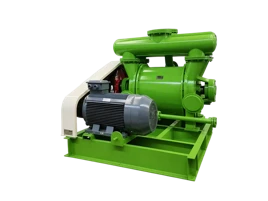
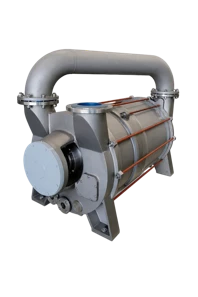
When you're in the market for a water ring pump, consider factors like the type of liquid you'll be pumping, the required flow rate and pressure, and the operating conditions. Our company offers a range of high - quality water ring pumps, including the 2BE1 Liquid Ring Vacuum Pump, the 2BED 2 Stage Liquid Ring Vacuum Pump, and the 2BE3 Large Liquid Ring Vacuum Pump. These pumps are designed to perform reliably under various conditions and can help you avoid cavitation problems.
6. Regularly Inspect and Maintain the Pump
Last but not least, regular maintenance and inspection are key to preventing cavitation. Over time, wear and tear on the pump components can affect its performance and increase the risk of cavitation. Inspect the pump impeller for any signs of damage, such as pitting or erosion, which could be early indicators of cavitation.
Check the pump casing for leaks and make sure all the seals are in good condition. A leaky pump can cause a drop in pressure, leading to cavitation. Also, clean the pump regularly to remove any debris or buildup that could block the flow path and disrupt the normal operation of the pump.
By following these tips, you can significantly reduce the risk of cavitation in your water ring pump and ensure that it operates smoothly and efficiently for a long time. If you're looking for a reliable water ring pump or need more advice on cavitation prevention, don't hesitate to reach out. We're here to help you find the best solution for your needs and get the most out of your pump.
Remember, taking proactive steps to prevent cavitation can save you a lot of time, money, and headaches in the long run. So, start implementing these measures today and keep your water ring pump running like a champ!
References
- Pump Handbook: General concepts and practical applications in pump operation.
- Manufacturer's documentation for water ring pumps: Specific details about pump design, operation, and maintenance.