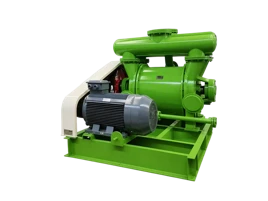
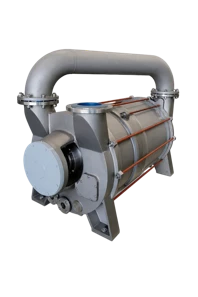
As a supplier of rotary liquid ring compressors, I've received numerous inquiries about the impact of inlet gas pressure on these machines. In this blog post, I'll share my insights based on years of experience in the industry.
Let's start by understanding what a rotary liquid ring compressor is. It's a type of compressor that uses a liquid ring to compress gas. The liquid ring acts as a piston, and as the rotor rotates, the volume of the compression chamber changes, causing the gas to be compressed. Now, the inlet gas pressure plays a crucial role in how these compressors operate.


Efficiency and Performance
One of the most significant impacts of inlet gas pressure is on the efficiency and performance of the compressor. When the inlet gas pressure is higher, the compressor doesn't have to work as hard to compress the gas to the desired outlet pressure. This means less energy is consumed, leading to better overall efficiency. For example, if you're using a Y Liquid Ring Compressor in a high-pressure inlet scenario, you'll notice that it runs smoother and uses less power compared to a low-pressure inlet situation.
On the other hand, low inlet gas pressure can put a strain on the compressor. The compressor has to work harder to increase the pressure of the gas, which can lead to higher energy consumption and potentially shorter equipment lifespan. In some cases, the compressor may not be able to reach the required outlet pressure at all if the inlet pressure is too low.
Capacity and Throughput
The inlet gas pressure also affects the capacity and throughput of the compressor. A higher inlet pressure generally allows the compressor to handle a larger volume of gas. This is because the compressor can start compressing the gas from a higher initial pressure, which means it can move more gas through the system in a given amount of time.
For instance, our YE Liquid Ring Compressor is designed to handle different inlet pressures. When the inlet pressure is high, it can achieve a higher throughput, making it suitable for applications where large volumes of gas need to be compressed quickly. However, if the inlet pressure drops significantly, the compressor's capacity may be reduced, and it may not be able to meet the demand of the process.
Compression Ratio
The compression ratio, which is the ratio of the outlet pressure to the inlet pressure, is another important factor influenced by the inlet gas pressure. A higher inlet pressure can result in a lower compression ratio for a given outlet pressure. This is beneficial because a lower compression ratio means less stress on the compressor components.
When the compression ratio is high, the compressor has to work harder to compress the gas, which can lead to increased wear and tear on the rotor, impeller, and other parts. By having a higher inlet pressure and a lower compression ratio, the compressor can operate more smoothly and have a longer service life.
Operating Conditions
The inlet gas pressure can also affect the operating conditions of the compressor. For example, it can impact the temperature rise during compression. When the inlet pressure is high, the temperature rise during compression is generally lower because the compressor doesn't have to do as much work. This is important because high temperatures can cause problems such as lubricant degradation and material expansion, which can affect the performance and reliability of the compressor.
In addition, the inlet gas pressure can influence the stability of the liquid ring inside the compressor. A stable liquid ring is essential for proper compressor operation. If the inlet pressure is too low or too high, it can disrupt the formation and stability of the liquid ring, leading to reduced efficiency and potential damage to the compressor.
Considerations for Different Applications
Different applications have different requirements when it comes to inlet gas pressure. In some industries, such as chemical processing and power generation, high inlet gas pressures are common, and the compressors are designed to handle these conditions. In other applications, such as vacuum systems, the inlet pressure may be very low, and the compressor needs to be able to operate effectively in these low-pressure environments.
When selecting a rotary liquid ring compressor for a specific application, it's important to consider the inlet gas pressure and how it will affect the performance of the compressor. Our team of experts can help you choose the right compressor based on your specific inlet pressure requirements and other operating conditions.
Conclusion
In conclusion, the inlet gas pressure has a significant influence on the performance, efficiency, capacity, and operating conditions of a rotary liquid ring compressor. As a supplier, we understand the importance of matching the compressor to the right inlet gas pressure for optimal performance.
If you're in the market for a rotary liquid ring compressor and need help understanding how inlet gas pressure will impact your application, don't hesitate to reach out to us. We're here to provide you with the best solutions and support to ensure your compressor operates at its best. Whether you're looking for a Y Liquid Ring Compressor or a YE Liquid Ring Compressor, we have the expertise and experience to meet your needs.
References
- Compressor Handbook: Principles and Practice by Ian Hall
- Industrial Compressor Technology by Heinz P. Bloch
So, if you're interested in discussing your specific requirements and exploring the best rotary liquid ring compressor options for your project, feel free to contact us for a detailed consultation. We're eager to help you make the right choice and get the most out of your compressor investment.