Upgrading a dry pump is a crucial decision that can significantly enhance the performance, efficiency, and longevity of your vacuum system. As a trusted dry pump supplier, we understand the importance of providing you with comprehensive guidance on how to upgrade your dry pump effectively. In this blog post, we will explore the key steps and considerations involved in upgrading a dry pump, ensuring that you make informed decisions and achieve optimal results.
Understanding the Need for Upgrading
Before diving into the upgrade process, it's essential to understand why upgrading your dry pump might be necessary. There are several reasons why you might consider upgrading:
- Performance Enhancement: Older dry pumps may not meet the current requirements of your application in terms of pumping speed, ultimate pressure, or gas handling capabilities. Upgrading to a newer model can provide improved performance and better process control.
- Energy Efficiency: Newer dry pumps are designed with advanced technologies that offer higher energy efficiency, resulting in reduced operating costs over time.
- Reliability and Maintenance: Upgrading to a more reliable dry pump can minimize downtime and maintenance requirements, ensuring continuous operation and increased productivity.
- Compliance with Regulations: Some industries have specific regulations regarding vacuum systems, and upgrading your dry pump may be necessary to meet these requirements.
Assessing Your Current Dry Pump
The first step in upgrading your dry pump is to assess its current condition and performance. This will help you determine the specific areas that need improvement and identify the most suitable upgrade options. Here are some key factors to consider:
- Pumping Speed: Measure the current pumping speed of your dry pump and compare it with the requirements of your application. If the pumping speed is insufficient, you may need to upgrade to a pump with a higher capacity.
- Ultimate Pressure: Determine the ultimate pressure that your dry pump can achieve and ensure that it meets the specifications of your process. If the ultimate pressure is too high, upgrading to a pump with better vacuum performance may be necessary.
- Gas Handling Capabilities: Consider the types of gases that your dry pump needs to handle and ensure that it can effectively remove them from the system. If your application involves corrosive or reactive gases, you may need to upgrade to a pump with a more resistant material construction.
- Maintenance History: Review the maintenance history of your dry pump to identify any recurring issues or potential problems. This will help you determine if upgrading to a more reliable pump is a viable option.
Researching Upgrade Options
Once you have assessed your current dry pump, it's time to research the available upgrade options. As a dry pump supplier, we offer a wide range of high-quality dry pumps that are suitable for various applications. Here are some popular upgrade options to consider:
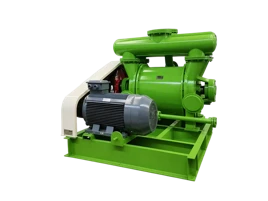
- ZJQ Gas circulation-cooled Roots Pump: This pump is designed for high-speed pumping applications and offers excellent performance and reliability. It features a gas circulation cooling system that ensures efficient operation and reduces the risk of overheating.
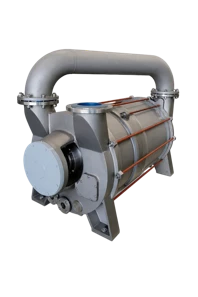
- NZJQ Multistage Gas circulation-cooled Roots Pump: This multistage pump is ideal for applications that require a high vacuum level and a large pumping capacity. It uses a gas circulation cooling system to maintain a stable temperature and improve the overall performance of the pump.
- VDP Dry Screw Vacuum Pump: This pump is suitable for a wide range of applications, including chemical processing, pharmaceutical manufacturing, and food packaging. It features a dry screw design that eliminates the need for oil lubrication, reducing the risk of contamination and improving the cleanliness of the vacuum system.
Selecting the Right Upgrade Option
When selecting the right upgrade option for your dry pump, it's important to consider several factors, including:
- Application Requirements: Ensure that the upgrade option you choose meets the specific requirements of your application in terms of pumping speed, ultimate pressure, gas handling capabilities, and temperature range.
- Budget: Determine your budget for the upgrade and choose an option that offers the best value for money. Consider the long-term operating costs, including energy consumption and maintenance requirements, when making your decision.
- Compatibility: Ensure that the upgrade option is compatible with your existing vacuum system, including the piping, valves, and control systems. If necessary, consult with a professional engineer to ensure a seamless integration.
- Supplier Support: Choose a reputable dry pump supplier that offers comprehensive technical support and after-sales service. This will ensure that you receive the assistance you need during the installation, commissioning, and maintenance of your upgraded dry pump.
Installing and Commissioning the Upgraded Dry Pump
Once you have selected the right upgrade option, it's time to install and commission the upgraded dry pump. This process should be carried out by a qualified technician to ensure that the pump is installed correctly and operates safely and efficiently. Here are the key steps involved in the installation and commissioning process:
- Prepare the Installation Site: Ensure that the installation site is clean, dry, and well-ventilated. Remove any obstructions or debris that may interfere with the installation process.
- Install the Pump: Follow the manufacturer's instructions to install the upgraded dry pump. This may involve mounting the pump on a suitable base, connecting the piping and electrical wiring, and installing any necessary accessories.
- Test the Pump: Once the pump is installed, perform a series of tests to ensure that it is operating correctly. This may include checking the pumping speed, ultimate pressure, and temperature of the pump.
- Commission the Pump: After the tests are completed, commission the pump by running it at full capacity for a period of time. This will help to ensure that the pump is functioning properly and that any issues are identified and resolved before the system is put into operation.
Maintaining the Upgraded Dry Pump
To ensure the long-term performance and reliability of your upgraded dry pump, it's important to maintain it regularly. Here are some key maintenance tasks that should be carried out:


- Regular Inspections: Conduct regular inspections of the pump to check for any signs of wear, damage, or leaks. This should include checking the seals, bearings, and belts of the pump.
- Lubrication: If the pump requires lubrication, ensure that it is lubricated regularly with the recommended lubricant. Follow the manufacturer's instructions for the correct type and amount of lubricant to use.
- Filter Replacement: Replace the filters of the pump regularly to ensure that they are clean and functioning properly. This will help to prevent the buildup of dirt and debris in the pump and improve its performance.
- Calibration: Calibrate the pump regularly to ensure that it is operating at the correct pressure and temperature. This will help to maintain the accuracy of the pump and ensure that it is providing the required performance.
Conclusion
Upgrading your dry pump is a significant investment that can provide numerous benefits, including improved performance, energy efficiency, reliability, and compliance with regulations. By following the steps outlined in this blog post, you can ensure that you make informed decisions and achieve optimal results when upgrading your dry pump. As a trusted dry pump supplier, we are committed to providing you with the highest quality products and services to meet your needs. If you have any questions or need further assistance, please do not hesitate to contact us. We look forward to working with you to upgrade your dry pump and improve the performance of your vacuum system.
References
- Manufacturer's manuals and technical specifications for the dry pumps.
- Industry standards and regulations related to vacuum systems.
- Technical literature and research papers on dry pump technology and upgrades.