When it comes to solvent recovery, selecting the right pump is crucial for ensuring efficient, safe, and cost - effective operations. As a solvent recovery pump supplier, I understand the importance of considering multiple factors to meet the diverse needs of our customers. In this blog, I will delve into the key factors that should be taken into account when choosing a solvent recovery pump.
Chemical Compatibility
The first and foremost factor is the chemical compatibility between the pump and the solvents being recovered. Different solvents have varying chemical properties, such as acidity, alkalinity, and reactivity. A pump that is not chemically compatible with the solvent can lead to corrosion, degradation of pump components, and ultimately, pump failure.
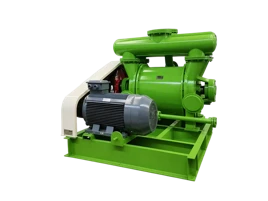
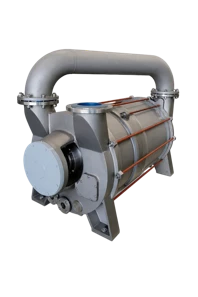
For example, if you are recovering highly acidic solvents, a pump made of materials resistant to acid corrosion, such as stainless steel or certain types of plastics, is essential. On the other hand, for solvents with strong oxidizing properties, pumps with appropriate coatings or materials that can withstand oxidation should be selected. Our company offers a range of pumps, including the ZJQ Gas circulation - cooled Roots Pump, which is designed with materials carefully chosen to ensure compatibility with a wide variety of solvents.
Vapor Pressure and Boiling Point
The vapor pressure and boiling point of the solvent play a significant role in pump selection. Solvents with high vapor pressures tend to evaporate more readily, and the pump needs to be capable of handling the vapor effectively. If the pump cannot maintain an appropriate vacuum level, it may not be able to recover the solvent efficiently.
For solvents with low boiling points, a pump that can operate at lower pressures is required. Our VDP Dry Screw Vacuum Pump is well - suited for such applications. It can create and maintain a deep vacuum, which is essential for recovering solvents with low boiling points. This pump's design allows it to handle the vapor generated by these solvents without losing efficiency.
Flow Rate Requirements
The flow rate is another critical factor. It refers to the volume of solvent that the pump can recover per unit of time. The required flow rate depends on the scale of the solvent recovery operation. For large - scale industrial processes, a pump with a high flow rate is necessary to keep up with the production volume.
Conversely, for small - scale laboratory or pilot - plant operations, a lower flow - rate pump may be sufficient and more cost - effective. When determining the flow rate, it is also important to consider any fluctuations in the solvent input. Our ZJP Roots Vacuum Pump offers a range of flow rates to meet different customer needs. It can be adjusted to handle varying solvent input volumes, ensuring consistent and efficient recovery.
Temperature Resistance
The temperature at which the solvent recovery process occurs can have a significant impact on the pump's performance. Some solvents may need to be recovered at elevated temperatures, and the pump must be able to withstand these conditions without overheating or losing its functionality.
High - temperature operation can also affect the viscosity of the solvent. As the temperature rises, the viscosity of most solvents decreases, which can change the flow characteristics. A pump that is designed to handle temperature variations and changes in viscosity is essential. Our pumps are engineered to operate within a wide temperature range, ensuring reliable performance even under challenging thermal conditions.
Energy Efficiency
In today's environmentally conscious and cost - sensitive world, energy efficiency is a major consideration. An energy - efficient pump can significantly reduce operating costs over the long term. Pumps that consume less power not only save on electricity bills but also have a lower carbon footprint.
Modern pump designs, such as those we offer, incorporate advanced technologies to improve energy efficiency. For example, some of our pumps use variable - speed drives, which allow the pump to adjust its speed according to the actual demand. This means that the pump does not consume excessive energy when the solvent recovery rate is low.
Maintenance and Serviceability
Ease of maintenance and serviceability are important factors for minimizing downtime and ensuring the long - term reliability of the pump. A pump that is difficult to maintain may require specialized tools and skills, leading to higher maintenance costs and longer periods of inactivity.
Our pumps are designed with maintenance in mind. They have easily accessible components, and we provide comprehensive maintenance manuals and training to our customers. In addition, we offer prompt after - sales service to address any issues that may arise during the pump's operation.


Noise and Vibration Levels
In many industrial and laboratory settings, noise and vibration can be a nuisance and may even pose safety risks. A pump that generates excessive noise and vibration can disrupt the working environment and potentially damage other equipment.
Our pumps are engineered to operate quietly and with minimal vibration. This is achieved through careful design and the use of high - quality components. By reducing noise and vibration, we not only improve the working conditions but also enhance the overall reliability of the solvent recovery system.
Cost
Cost is always a consideration when making any purchasing decision. However, it is important to look beyond the initial purchase price. The total cost of ownership includes factors such as energy consumption, maintenance costs, and the pump's lifespan.
A pump with a lower initial cost may end up being more expensive in the long run if it is energy - inefficient or requires frequent repairs. Our company offers a range of pumps at different price points, and we work closely with our customers to help them select the pump that provides the best value for their specific needs.
Regulatory Compliance
In many industries, there are strict regulations regarding solvent recovery and the equipment used in the process. These regulations may cover aspects such as emissions, safety, and environmental protection.
When selecting a solvent recovery pump, it is essential to ensure that the pump complies with all relevant regulations. Our pumps are designed and manufactured to meet international standards and regulations, giving our customers peace of mind that their operations are in full compliance.
In conclusion, selecting the right solvent recovery pump requires a comprehensive evaluation of multiple factors. As a solvent recovery pump supplier, we are committed to providing our customers with high - quality pumps that meet their specific requirements. Whether you are looking for a pump for a small - scale laboratory or a large - scale industrial operation, we have the expertise and the product range to assist you.
If you are interested in learning more about our solvent recovery pumps or would like to discuss your specific needs, please feel free to contact us for a purchasing consultation. We look forward to helping you find the perfect pump for your solvent recovery process.
References
- Perry, R. H., & Green, D. W. (Eds.). (2008). Perry's Chemical Engineers' Handbook. McGraw - Hill.
- Walas, S. M. (1985). Chemical Process Equipment: Selection and Design. Butterworth - Heinemann.