Hey there! As a supplier of dry vacuum pumps, I've seen firsthand how particulate matter can mess with these machines. So, let's dive into what the impact of particulate matter on a dry vacuum pump is.
How Particulate Matter Enters the Dry Vacuum Pump
First off, we gotta understand how particulate matter gets into the dry vacuum pump. In industrial settings, there are all sorts of sources. For example, in a manufacturing plant that deals with metalworking, metal shavings and dust can be sucked into the pump during the vacuum - forming process. In a chemical processing facility, fine powder particles from chemical reactions might find their way into the pump. Also, in a food processing plant, tiny food particles or flour dust can enter the system.
Impact on Pump Performance
Reduced Efficiency
Particulate matter can really take a toll on the efficiency of a dry vacuum pump. When particles enter the pump, they can accumulate on the internal components. For instance, the rotors of a dry vacuum pump are designed to rotate smoothly to create the vacuum. But if there are particles stuck on the rotors, it increases the friction. This means the motor has to work harder to turn the rotors, which in turn consumes more energy. As a result, the pump's ability to create and maintain a high - quality vacuum is compromised. You might notice that it takes longer for the pump to reach the desired vacuum level, or it can't achieve the same low - pressure levels as it used to.
Wear and Tear
Another major impact is the accelerated wear and tear of the pump parts. The particles act like abrasives. They scrape against the surfaces of the rotors, chambers, and seals. Over time, this can cause the surfaces to become rough and uneven. For example, a small scratch on a rotor can lead to further problems. As the rotor rotates, the scratch can cause imbalances, which can then lead to vibrations. These vibrations can damage other parts of the pump, such as the bearings. Eventually, the parts will need to be replaced more frequently, which can be quite costly.
Clogging
Particulate matter can also cause clogging in the pump. If the particles are large enough or if there is a high concentration of them, they can block the flow passages inside the pump. This is especially a problem in the exhaust ports. When the exhaust is blocked, the pump can't expel the air properly. This can lead to a build - up of pressure inside the pump, which can cause the pump to overheat and even fail.
Impact on Pump Lifespan
The presence of particulate matter significantly shortens the lifespan of a dry vacuum pump. All the issues we've talked about, like reduced efficiency, wear and tear, and clogging, add up over time. A pump that is constantly exposed to particulate matter will break down much earlier than one that operates in a clean environment. This means you'll have to invest in a new pump sooner, which is a big expense for any business.
Impact on Maintenance Costs
As you can probably guess, dealing with the effects of particulate matter on a dry vacuum pump leads to higher maintenance costs. You'll need to clean the pump more frequently to remove the accumulated particles. This might involve disassembling the pump, which is a time - consuming and labor - intensive process. You'll also need to replace parts more often, as we mentioned earlier. And let's not forget about the cost of energy due to the reduced efficiency of the pump. All these factors combined can make the overall cost of operating the pump much higher.
Solutions to Mitigate the Impact
Filtration Systems
One of the most effective ways to deal with particulate matter is to install a good filtration system. A pre - filter can be placed at the inlet of the pump to capture the larger particles before they enter the pump. There are different types of filters available, such as mesh filters and cartridge filters. Mesh filters are good for capturing larger particles, while cartridge filters can trap smaller particles. By using a combination of filters, you can significantly reduce the amount of particulate matter that reaches the pump.
Regular Maintenance
Regular maintenance is crucial. This includes cleaning the pump and checking for any signs of wear and tear. You should also inspect the filtration system and replace the filters when they are dirty. A maintenance schedule should be established based on the operating conditions of the pump. For example, if the pump is used in a very dusty environment, it might need to be maintained more frequently.
Our Dry Vacuum Pump Offerings
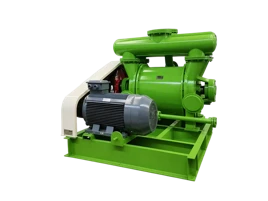
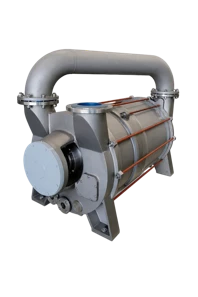
At our company, we offer a range of high - quality dry vacuum pumps that are designed to handle different operating conditions. We have the NZJP Multistage Roots Vacuum Pump, which is known for its high efficiency and reliability. It has a robust design that can withstand some level of particulate matter. We also have the NZJQ Multistage Gas circulation - cooled Roots Pump, which uses gas circulation for cooling and is suitable for applications where heat management is important. And for those looking for a more heavy - duty option, we have the ZJQ Gas circulation - cooled Roots Pump.


Conclusion
In conclusion, particulate matter can have a serious impact on a dry vacuum pump. It can reduce the pump's efficiency, cause wear and tear, clog the pump, and shorten its lifespan. However, by using proper filtration systems and regular maintenance, you can mitigate these effects. If you're in the market for a dry vacuum pump or need advice on how to protect your existing pump from particulate matter, don't hesitate to reach out. We're here to help you make the best decision for your business.
References
- Brown, J. (2018). "Industrial Vacuum Pump Handbook".
- Smith, A. (2020). "The Effects of Particulate Matter on Machinery".
- Johnson, R. (2019). "Maintenance Strategies for Vacuum Pumps".