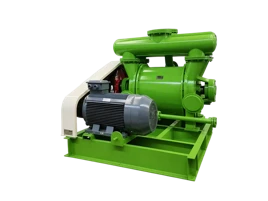
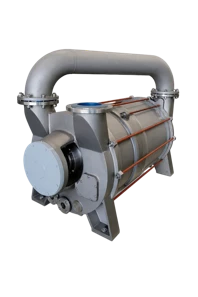
Hey there! As a supplier of solvent recovery pumps, I often get asked about the best material for the impeller of these pumps. It's a crucial question because the impeller plays a vital role in the performance and longevity of the pump. In this blog, I'll break down the different materials commonly used for impellers and help you figure out which one is the best fit for your solvent recovery needs.
Why the Impeller Material Matters
Before we dive into the materials, let's quickly understand why the impeller material is so important. The impeller is responsible for creating the flow and pressure within the pump. It rotates at high speeds, coming into direct contact with the solvent being pumped. So, the material needs to be able to withstand the wear and tear caused by the solvent, as well as the mechanical stresses of rotation.
Common Materials for Impellers
1. Cast Iron
Cast iron is a traditional choice for impellers, and it's still widely used today. It's relatively inexpensive and has good mechanical strength. Cast iron impellers can handle a wide range of solvents, especially those that are not highly corrosive. However, they are prone to rust and corrosion over time, especially when exposed to acidic or alkaline solvents. If you're dealing with a solvent that's not too aggressive, cast iron might be a cost - effective option.
2. Stainless Steel
Stainless steel is a popular choice for impellers in solvent recovery pumps. It offers excellent corrosion resistance, making it suitable for a variety of solvents, including those that are acidic, alkaline, or contain corrosive chemicals. Stainless steel impellers are also strong and durable, with good resistance to wear. They can withstand high - speed rotation and the mechanical stresses of the pumping process. There are different grades of stainless steel, such as 304 and 316. Grade 316 is more corrosion - resistant than 304 and is often used in more demanding applications.
3. Bronze
Bronze is another material that's used for impellers. It has good corrosion resistance, especially in seawater and some chemical solvents. Bronze impellers are also known for their good machinability, which means they can be easily shaped and finished. They have a relatively low coefficient of friction, which can reduce energy consumption during the pumping process. However, bronze impellers may not be suitable for all solvents, and they can be more expensive than cast iron.


4. Plastic
Plastic impellers are becoming increasingly popular in solvent recovery pumps, especially for applications where corrosion resistance is a top priority. Materials like polypropylene (PP) and polyvinyl chloride (PVC) are commonly used. Plastic impellers are lightweight, which can reduce the load on the pump motor and improve energy efficiency. They are also highly resistant to corrosion from a wide range of solvents. However, they may not be as strong as metal impellers and can be more prone to damage from mechanical impacts.
Factors to Consider When Choosing the Impeller Material
1. Solvent Compatibility
The most important factor is the compatibility between the impeller material and the solvent being pumped. You need to know the chemical properties of the solvent, such as its pH, corrosiveness, and reactivity. If the solvent is highly corrosive, a material like stainless steel or plastic might be the best choice. On the other hand, if the solvent is relatively mild, cast iron could work.
2. Pump Operating Conditions
The operating conditions of the pump also play a role in material selection. If the pump operates at high speeds or under high pressures, the impeller material needs to have sufficient mechanical strength. For example, stainless steel is a good choice for high - speed and high - pressure applications. If the pump is used in a low - temperature environment, the material should be able to withstand the cold without becoming brittle.
3. Cost
Cost is always a consideration. Cast iron is the most affordable option, followed by bronze, stainless steel, and plastic. You need to balance the cost of the impeller material with its performance and longevity. Sometimes, spending a little more on a high - quality material can save you money in the long run by reducing maintenance and replacement costs.
4. Maintenance Requirements
Different materials have different maintenance requirements. Cast iron impellers may need regular cleaning and coating to prevent rust. Stainless steel impellers are relatively low - maintenance but may require occasional inspection for signs of corrosion. Plastic impellers are generally easy to clean but can be damaged if not handled properly.
Our Product Range
As a solvent recovery pump supplier, we offer a wide range of pumps with different impeller materials to meet your specific needs. For example, our ZJQ Gas circulation - cooled Roots Pump is available with stainless steel impellers for excellent corrosion resistance in demanding applications. The NZJP Multistage Roots Vacuum Pump can be customized with either bronze or plastic impellers depending on the solvent and operating conditions. And our ZJP Roots Vacuum Pump offers the option of cast iron or stainless steel impellers.
Conclusion
Choosing the best material for the impeller of a solvent recovery pump is a decision that depends on several factors, including solvent compatibility, pump operating conditions, cost, and maintenance requirements. Each material has its own advantages and disadvantages, and the right choice will ensure optimal performance and longevity of your pump.
If you're in the market for a solvent recovery pump or need advice on impeller material selection, don't hesitate to reach out. We're here to help you find the perfect solution for your solvent recovery needs. Contact us today to start the procurement discussion and get the best pump for your application.
References
- Perry, R. H., & Green, D. W. (Eds.). (1997). Perry's Chemical Engineers' Handbook. McGraw - Hill.
- Walas, S. M. (1990). Chemical Process Equipment: Selection and Design. Butterworth - Heinemann.