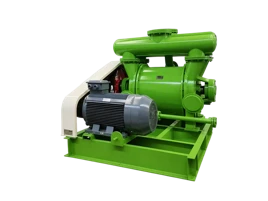
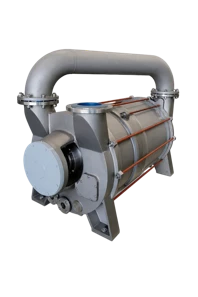
Maintaining a dry pump is crucial for ensuring its optimal performance, longevity, and reliability. As a trusted dry pump supplier, we understand the significance of proper maintenance in maximizing the efficiency of these essential industrial equipment. In this blog, we will explore comprehensive strategies and best practices for maintaining a dry pump, along with highlighting some of our high - quality products.
Understanding the Basics of Dry Pumps
Before delving into maintenance, it's important to have a basic understanding of dry pumps. Dry pumps operate without the use of lubricating fluids in the pumping chamber, which makes them suitable for applications where contamination from oil or other fluids is a concern. They are widely used in various industries such as semiconductor manufacturing, chemical processing, and food packaging.
Regular Inspection
Regular inspection is the cornerstone of dry pump maintenance. It allows you to identify potential issues before they escalate into major problems.
Visual Inspection
Conduct a visual inspection of the dry pump on a regular basis. Check for any signs of physical damage, such as cracks in the housing, loose fittings, or worn - out components. Look for leaks around the seals and connections. If you notice any oil or fluid leaks, it could indicate a problem with the seals or gaskets, which should be addressed immediately.
Performance Monitoring
Monitor the performance of the dry pump regularly. This includes measuring the pumping speed, ultimate pressure, and power consumption. Any significant changes in these parameters could indicate a problem with the pump. For example, a decrease in pumping speed might suggest a blockage in the pump or a worn - out impeller. Keep a log of these performance metrics over time to track the pump's health.
Cleaning and Lubrication
Although dry pumps do not use lubricating fluids in the pumping chamber, some external components may require lubrication and all parts need to be kept clean.
Cleaning
Clean the exterior of the dry pump regularly to remove dust, dirt, and debris. Use a soft brush or compressed air to clean hard - to - reach areas. Inside the pump, depending on the type of application, there may be a build - up of contaminants. Some dry pumps are designed with self - cleaning mechanisms, but in cases where there is significant build - up, a more thorough cleaning may be required. Follow the manufacturer's instructions for disassembling and cleaning the internal components.
Lubrication
Some external moving parts, such as bearings and drive shafts, may require lubrication. Use the recommended lubricant specified in the pump's manual. Over - lubrication can be as harmful as under - lubrication, so ensure that you apply the correct amount of lubricant at the recommended intervals.
Filter Maintenance
Filters play a vital role in protecting the dry pump from contaminants.
Filter Replacement
Most dry pumps are equipped with inlet and outlet filters. These filters need to be replaced regularly according to the manufacturer's recommendations. A clogged filter can restrict the flow of gas, reducing the pump's efficiency and potentially causing damage to the pump. Check the filters frequently and replace them as soon as they show signs of excessive dirt or blockage.
Filter Cleaning
In some cases, filters can be cleaned and reused. However, this should only be done if the manufacturer allows it. Use a suitable cleaning agent and follow the proper cleaning procedure to ensure that the filter is restored to its original condition.
Seal and Gasket Replacement
Seals and gaskets are essential for preventing leaks and maintaining the integrity of the dry pump.
Inspection
Regularly inspect the seals and gaskets for signs of wear, damage, or degradation. Over time, seals can become brittle or lose their elasticity, leading to leaks. If you notice any signs of leakage around the seals or gaskets, they should be replaced immediately.
Replacement
When replacing seals and gaskets, use high - quality parts that are compatible with your dry pump. Follow the manufacturer's instructions for proper installation to ensure a tight seal. Incorrectly installed seals can lead to leaks and reduced pump performance.
Temperature and Cooling Management
Proper temperature management is crucial for the efficient operation of a dry pump.
Temperature Monitoring
Monitor the temperature of the dry pump during operation. Excessive heat can cause damage to the internal components and reduce the pump's lifespan. Most dry pumps are equipped with temperature sensors that can provide real - time temperature readings. If the temperature exceeds the recommended range, investigate the cause, which could be due to overloading, poor ventilation, or a problem with the cooling system.
Cooling System Maintenance
If your dry pump has a cooling system, such as a water - cooled or air - cooled system, ensure that it is functioning properly. For water - cooled systems, check the water flow rate and temperature regularly. Clean the cooling channels to prevent blockages. For air - cooled systems, make sure that the cooling fans are working and that there is no obstruction to the airflow.
Our High - Quality Dry Pumps
As a leading dry pump supplier, we offer a range of high - quality dry pumps to meet the diverse needs of our customers. Our ZJP Roots Vacuum Pump is known for its high pumping speed and reliability. It is widely used in applications where a large volume of gas needs to be pumped quickly.
The ZJQ Gas circulation - cooled Roots Pump is another excellent option. It features a gas circulation - cooled design, which ensures efficient heat dissipation and long - term stable operation. This pump is suitable for applications in harsh environments where high - temperature resistance is required.
Our NZJP Multistage Roots Vacuum Pump offers a high ultimate pressure and is ideal for applications that require a deep vacuum. It is designed with multiple stages to achieve a better pumping performance.
Conclusion
Maintaining a dry pump is a multi - faceted process that requires regular inspection, cleaning, lubrication, and proper management of temperature and other factors. By following the best practices outlined in this blog, you can ensure that your dry pump operates at its best and has a long service life.
If you are in the market for a high - quality dry pump or need further advice on dry pump maintenance, we are here to help. Our team of experts can provide you with the right solutions for your specific needs. Contact us today to start a discussion about your dry pump requirements and explore how our products can meet your industrial needs.


References
- Manufacturer's manuals of dry pumps
- Industry standards for vacuum pump maintenance
- Technical papers on dry pump technology and maintenance