Hey there! As a supplier of liquid ring vacuum pumps, I've gotten a bunch of questions from customers about why these pumps sometimes make abnormal noises. It's a common issue that can really throw you off, especially if you're relying on these pumps for your industrial processes. So, I thought I'd break down the possible reasons for those strange sounds.
1. Cavitation
One of the most common culprits behind abnormal noise in a liquid ring vacuum pump is cavitation. Cavitation happens when the pressure of the liquid in the pump drops below its vapor pressure, causing vapor bubbles to form. These bubbles then collapse when they move to a higher - pressure area, and this collapse creates a loud, popping or crackling noise.
There are a few reasons why cavitation might occur. First, if the suction pressure is too low, it can lead to the formation of these vapor bubbles. This could be due to a clogged suction line or an issue with the system's design. For example, if the pipe leading to the pump is too narrow, it can restrict the flow of the liquid, causing a drop in pressure.
Another reason could be an improper liquid level in the pump. If there isn't enough liquid to form a proper ring, the pressure inside the pump can become unstable, leading to cavitation. Make sure to regularly check the liquid level and top it up as needed.
2. Mechanical Issues
Mechanical problems can also be a major source of abnormal noise. One of the most obvious mechanical issues is a misaligned or worn - out impeller. The impeller is a crucial part of the pump that rotates to create the vacuum. If it's not properly aligned, it can rub against the pump casing or other components, creating a grinding or scraping noise.
Worn bearings are another common mechanical problem. Bearings support the rotating parts of the pump, and when they start to wear out, they can make a whining or growling noise. This can be caused by lack of lubrication, overloading the pump, or simply normal wear and tear over time.
Loose parts within the pump can also be a problem. If bolts or other fasteners aren't tightened properly, they can vibrate and create a rattling noise. It's a good idea to do a visual inspection of the pump regularly to check for any loose parts and tighten them up as necessary.
3. Foreign Objects
Sometimes, the problem is as simple as a foreign object getting into the pump. This could be a small piece of debris from the system, like a piece of metal or plastic. When the pump tries to move this object through its chambers, it can cause a jamming or banging noise.
For example, if the suction line isn't properly filtered, it can allow small particles to enter the pump. These particles can get stuck between the impeller and the casing, causing damage and creating a lot of noise. Make sure to install proper filters on the suction line to prevent foreign objects from entering the pump.
4. Vibration
Excessive vibration can also lead to abnormal noise. Vibration can be caused by a number of factors, such as an unbalanced impeller or an unstable mounting. If the pump isn't mounted securely, it can vibrate against the floor or other surfaces, creating a loud thumping noise.
An unbalanced impeller can cause uneven forces within the pump, leading to vibration. This can be due to manufacturing defects or damage to the impeller over time. You might need to have the impeller balanced by a professional to reduce vibration and noise.
How to Address These Issues
If you're experiencing abnormal noise in your liquid ring vacuum pump, the first step is to identify the cause. Start by doing a visual inspection of the pump to look for any obvious signs of damage or loose parts. Check the liquid level, the suction line, and the mounting of the pump.
If you suspect cavitation, try increasing the suction pressure by clearing any clogs in the suction line or adjusting the system's design. Make sure the liquid level is correct and that the pump is getting enough liquid.
For mechanical issues, you might need to replace worn - out parts like bearings or the impeller. It's important to use high - quality replacement parts to ensure the long - term performance of the pump.
If there's a foreign object in the pump, you'll need to disassemble the pump carefully to remove it. Be sure to follow the manufacturer's instructions when disassembling and reassembling the pump.
To reduce vibration, make sure the pump is mounted securely and that the impeller is balanced. You might also want to consider using vibration - damping materials under the pump to absorb some of the vibrations.
Our Product Range
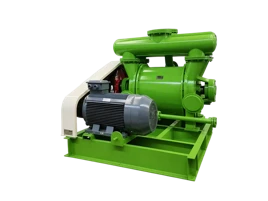
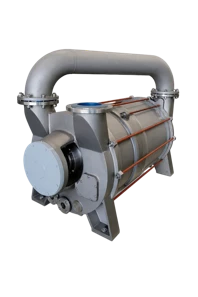
At our company, we offer a wide range of liquid ring vacuum pumps, including the 2BED 2 Stage Liquid Ring Vacuum Pump, 2BE1 Liquid Ring Vacuum Pump, and 2BE3 Large Liquid Ring Vacuum Pump. These pumps are designed to be reliable and efficient, but like any mechanical equipment, they can sometimes experience issues.
If you're having problems with your current pump or are looking to purchase a new one, don't hesitate to reach out to us. Our team of experts can help you choose the right pump for your needs and provide you with the support you need to keep it running smoothly. Whether it's troubleshooting abnormal noise or any other issue, we're here to assist you.
Conclusion
Abnormal noise in a liquid ring vacuum pump can be a sign of various problems, from cavitation and mechanical issues to foreign objects and vibration. By understanding the possible causes and taking the appropriate steps to address them, you can keep your pump running efficiently and avoid costly downtime.
If you're interested in learning more about our liquid ring vacuum pumps or need help with your current pump, feel free to contact us. We're always happy to have a chat and discuss your specific requirements. Let's work together to find the best solution for your industrial vacuum needs.


References
- "Liquid Ring Vacuum Pumps: Principles and Applications" - Industrial Pump Handbook
- "Troubleshooting Guide for Liquid Ring Vacuum Pumps" - Manufacturer's Manual