What is the power consumption of a dry vacuum pump?
As a supplier of dry vacuum pumps, I often receive inquiries from customers about the power consumption of these essential pieces of equipment. Understanding the power consumption of a dry vacuum pump is crucial for several reasons, including cost - efficiency, energy management, and overall system performance. In this blog post, I will delve into the factors that influence the power consumption of dry vacuum pumps and provide some insights into how to optimize it.
Factors Affecting Power Consumption
- Pump Type and Design
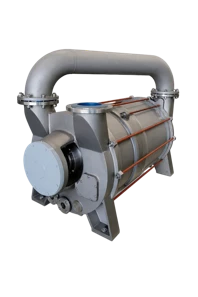
Different types of dry vacuum pumps have varying power consumption characteristics. For example, the ZJQ Gas circulation - cooled Roots Pump is designed with a gas circulation - cooled mechanism. This type of pump typically has a certain power demand based on its internal design and the way it operates. The gas circulation system requires energy to maintain the flow and cooling, which contributes to the overall power consumption.
The NZJQ Multistage Gas circulation - cooled Roots Pump is a multistage version. Multistage pumps generally consume more power compared to single - stage pumps because they have multiple stages of compression. Each stage requires energy to compress the gas further, and the cumulative effect results in a relatively higher power consumption.
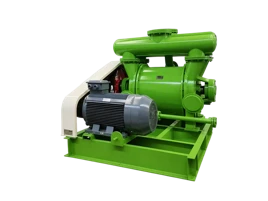
The ZJP Roots Vacuum Pump also has its own power consumption profile. Roots pumps work by the rotation of two lobed rotors, and the power needed to drive these rotors at the required speed is a significant factor in the pump's power consumption.


-
Pumping Speed
Pumping speed is a measure of how fast a vacuum pump can remove gas from a chamber. A higher pumping speed usually means that the pump has to work harder, thus consuming more power. For instance, if a customer needs to evacuate a large chamber quickly, they will require a pump with a high pumping speed. However, this comes at the cost of increased power consumption. Our dry vacuum pumps are available in a range of pumping speeds, and customers can choose the one that best suits their specific application requirements while also considering the associated power consumption. -
Vacuum Level
The desired vacuum level also plays a crucial role in determining power consumption. Achieving a higher vacuum level (lower pressure) requires more energy. As the pressure in the chamber decreases, the pump has to work against a greater pressure differential to remove the remaining gas molecules. For example, a pump that is used to create a high - vacuum environment in a semiconductor manufacturing process will consume more power compared to a pump used in a less demanding application where a moderate vacuum level is sufficient. -
Operating Conditions
The operating conditions such as temperature and gas composition can affect power consumption. High ambient temperatures can reduce the efficiency of the pump, causing it to consume more power to achieve the same performance. Additionally, if the gas being pumped contains high - molecular - weight or condensable components, the pump may have to work harder to remove these substances, leading to increased power consumption.
Measuring and Calculating Power Consumption
To accurately measure the power consumption of a dry vacuum pump, it is necessary to use a power meter. This device can be connected to the pump's electrical supply to measure the real - time power consumption. The power consumption is usually expressed in kilowatts (kW).
In some cases, it is possible to calculate the approximate power consumption based on the pump's specifications. The pump manufacturer typically provides information about the motor power rating and the efficiency of the pump at different operating points. By using these values and considering the specific operating conditions, it is possible to estimate the power consumption. However, it should be noted that these calculations are only approximations, and actual power consumption may vary depending on the factors mentioned above.
Optimizing Power Consumption
-
Proper Sizing
One of the most effective ways to optimize power consumption is to select the right - sized pump for the application. A pump that is too large for the task will consume more power than necessary, while a pump that is too small may not be able to achieve the desired performance. Our technical team can assist customers in determining the appropriate pump size based on their specific requirements, taking into account factors such as pumping speed, vacuum level, and chamber volume. -
Efficient Operation
Operating the pump under the optimal conditions can also reduce power consumption. This includes maintaining the proper temperature, ensuring a clean gas supply, and following the recommended maintenance schedule. Regular maintenance, such as lubrication, filter replacement, and rotor inspection, can improve the pump's efficiency and reduce power consumption over time. -
Use of Variable - Speed Drives
Installing a variable - speed drive (VSD) on the pump motor can significantly reduce power consumption. A VSD allows the pump to operate at different speeds depending on the actual demand. For example, during the initial evacuation phase, the pump can run at a higher speed to quickly remove the gas. Once the desired vacuum level is reached, the speed can be reduced, resulting in lower power consumption.
Conclusion
In conclusion, the power consumption of a dry vacuum pump is influenced by several factors, including pump type, pumping speed, vacuum level, and operating conditions. By understanding these factors and taking appropriate measures to optimize power consumption, customers can achieve cost - savings and improve the overall efficiency of their vacuum systems.
As a leading supplier of dry vacuum pumps, we are committed to providing our customers with high - quality products that offer a balance between performance and power consumption. If you are interested in learning more about our dry vacuum pumps or have any questions regarding power consumption, please feel free to contact us for a detailed discussion and procurement negotiation. We look forward to working with you to meet your vacuum pumping needs.
References
- Vacuum Technology Handbook, Third Edition
- Principles of Vacuum Physics and Technology