Hey there, folks! As a supplier of oil free screw pumps, I get asked a lot about how to increase the discharge capacity of these pumps. It's a crucial question, especially for those in industries that rely heavily on efficient pumping systems. So, let's dive right in and explore some practical ways to boost the discharge capacity of an oil free screw pump.
Understanding the Basics
First things first, we need to have a clear understanding of what affects the discharge capacity of an oil free screw pump. The discharge capacity is basically the volume of fluid that the pump can move in a given amount of time. Several factors come into play here, such as the pump's design, the speed at which it operates, the viscosity of the fluid being pumped, and the pressure conditions.
The design of the pump is a fundamental factor. The shape and size of the screw threads, the clearances between the screws and the pump casing, and the overall dimensions of the pump all influence how much fluid it can handle. For example, a pump with larger screw diameters and longer screw lengths generally has a higher discharge capacity.


The operating speed of the pump also plays a significant role. In general, the faster the pump rotates, the more fluid it can move. However, there are limits to this. Running the pump at too high a speed can cause excessive wear and tear, increase energy consumption, and even lead to mechanical failures. So, it's important to find the right balance.
The viscosity of the fluid being pumped is another critical factor. Viscous fluids are thicker and more resistant to flow than less viscous fluids. As a result, a pump may have a lower discharge capacity when pumping a highly viscous fluid compared to a less viscous one. The pressure conditions, both at the inlet and the outlet of the pump, also affect the discharge capacity. Higher outlet pressures can make it more difficult for the pump to push the fluid out, reducing the discharge capacity.
Optimizing the Pump Design
One way to increase the discharge capacity of an oil free screw pump is to optimize its design. This can involve several aspects. For starters, we can look at the screw profile. A well-designed screw profile can improve the fluid flow within the pump, reducing internal leakage and increasing the efficiency of the pumping process. Some modern pump designs use advanced screw profiles that are specifically engineered to maximize the discharge capacity.
Another aspect of design optimization is the clearance between the screws and the pump casing. If the clearance is too large, there will be more internal leakage, which reduces the discharge capacity. On the other hand, if the clearance is too small, it can cause excessive friction and wear, leading to premature failure of the pump. So, finding the right clearance is crucial.
We can also consider increasing the size of the pump. A larger pump with bigger screws and a larger casing can generally handle more fluid. However, this option may not always be feasible, especially if there are space constraints or budget limitations.
Adjusting the Operating Parameters
As mentioned earlier, the operating speed of the pump has a significant impact on the discharge capacity. By adjusting the speed, we can potentially increase the amount of fluid the pump can move. Most modern oil free screw pumps are equipped with variable speed drives, which allow us to easily adjust the speed according to the specific requirements of the application.
When increasing the speed, it's important to monitor the pump's performance closely. We need to make sure that the pump is not overheating, that the power consumption is within acceptable limits, and that there are no signs of excessive wear or vibration. If any issues arise, we may need to reduce the speed or make other adjustments.
In addition to the speed, we can also adjust the pressure conditions at the inlet and outlet of the pump. By ensuring that the inlet pressure is sufficient, we can help the pump draw in more fluid. On the outlet side, reducing the backpressure can make it easier for the pump to discharge the fluid. This can be achieved by using larger diameter piping, minimizing the number of bends and fittings in the piping system, and ensuring that the valves are fully open.
Maintaining the Pump Properly
Proper maintenance is essential for ensuring the optimal performance of an oil free screw pump and increasing its discharge capacity. Regular maintenance tasks include checking the lubrication system (if applicable), inspecting the seals and gaskets for leaks, cleaning the pump and its components, and tightening any loose bolts or connections.
The lubrication system, if the pump has one, needs to be checked regularly to ensure that the lubricant level is correct and that the lubricant is clean and free of contaminants. Dirty or low-quality lubricant can cause increased friction and wear, which can reduce the pump's efficiency and discharge capacity.
The seals and gaskets are also critical components of the pump. Any leaks in these areas can lead to a loss of fluid and a reduction in the discharge capacity. So, it's important to inspect them regularly and replace them if necessary.
Cleaning the pump and its components on a regular basis can help remove any dirt, debris, or scale that may have accumulated. This can improve the flow of fluid within the pump and prevent any blockages that could reduce the discharge capacity.
Using Complementary Equipment
In some cases, using complementary equipment can help increase the discharge capacity of an oil free screw pump. For example, a booster pump can be used to increase the inlet pressure of the oil free screw pump, allowing it to draw in more fluid. This can be particularly useful when the pump is required to pump fluid from a low-pressure source or over a long distance.
Another option is to use a pre-filter or a strainer in the piping system. This can help remove any large particles or debris from the fluid before it enters the pump, reducing the risk of blockages and damage to the pump. By ensuring a smooth flow of fluid, the pump can operate more efficiently and potentially increase its discharge capacity.
Our Product Offerings
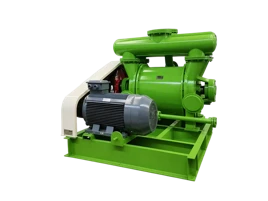
As an oil free screw pump supplier, we offer a range of high-quality pumps that are designed to provide excellent performance and high discharge capacity. Our VDP Dry Screw Vacuum Pump is a great example. It features advanced screw technology and a robust design, making it suitable for a wide range of applications. Whether you need to pump gases, vapors, or low-viscosity liquids, this pump can handle the job with ease.
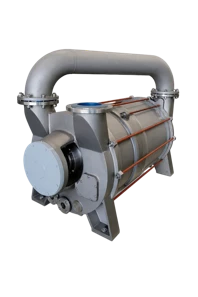
We also have the NZJP Multistage Roots Vacuum Pump, which is known for its high efficiency and reliable operation. This pump is especially useful for applications that require high vacuum levels and large discharge capacities.
And if you're looking for a more traditional option, our ZJP Roots Vacuum Pump is a great choice. It has been widely used in various industries for its simple yet effective design and excellent performance.
Conclusion
Increasing the discharge capacity of an oil free screw pump requires a combination of factors, including optimizing the pump design, adjusting the operating parameters, proper maintenance, and using complementary equipment. By understanding these factors and taking the necessary steps, you can ensure that your pump operates at its best and meets your specific requirements.
If you're interested in learning more about our oil free screw pumps or need help increasing the discharge capacity of your existing pump, don't hesitate to contact us for a purchase consultation. We're here to provide you with the best solutions and support.
References
- Pump Handbook, Karassik et al.
- Principles of Pumping, Cameron Hydraulic Data.